Latinoamérica
Featured


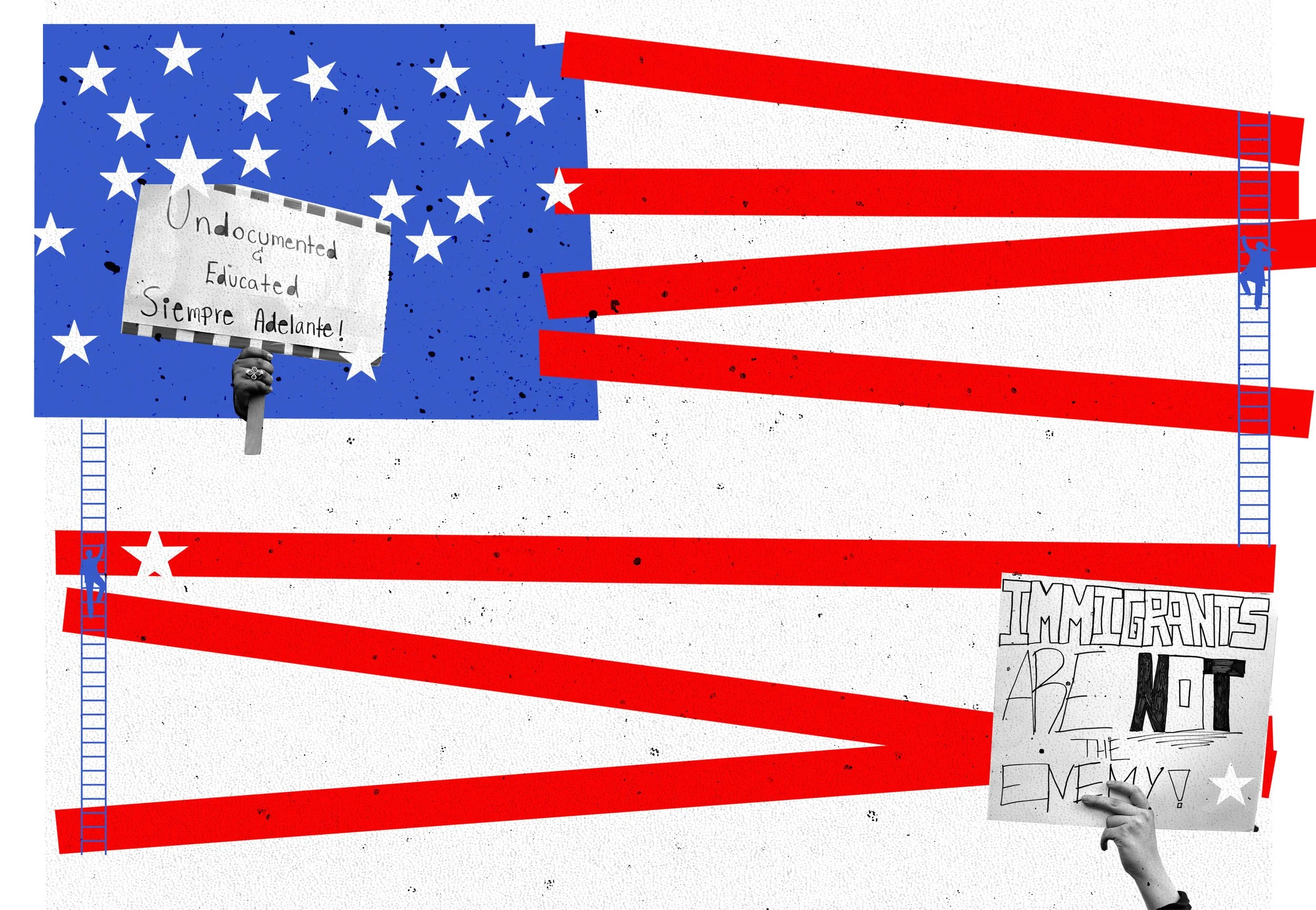


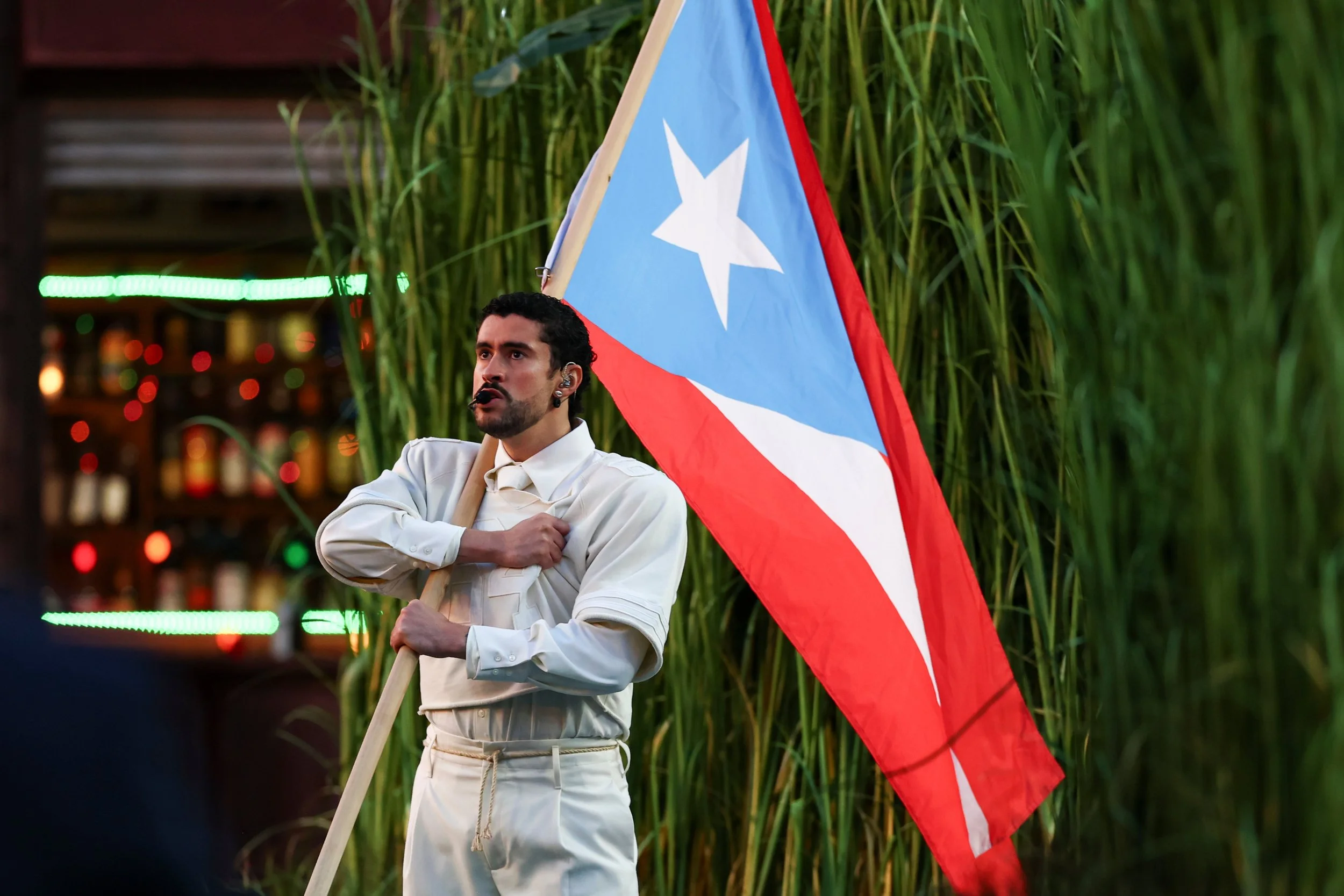
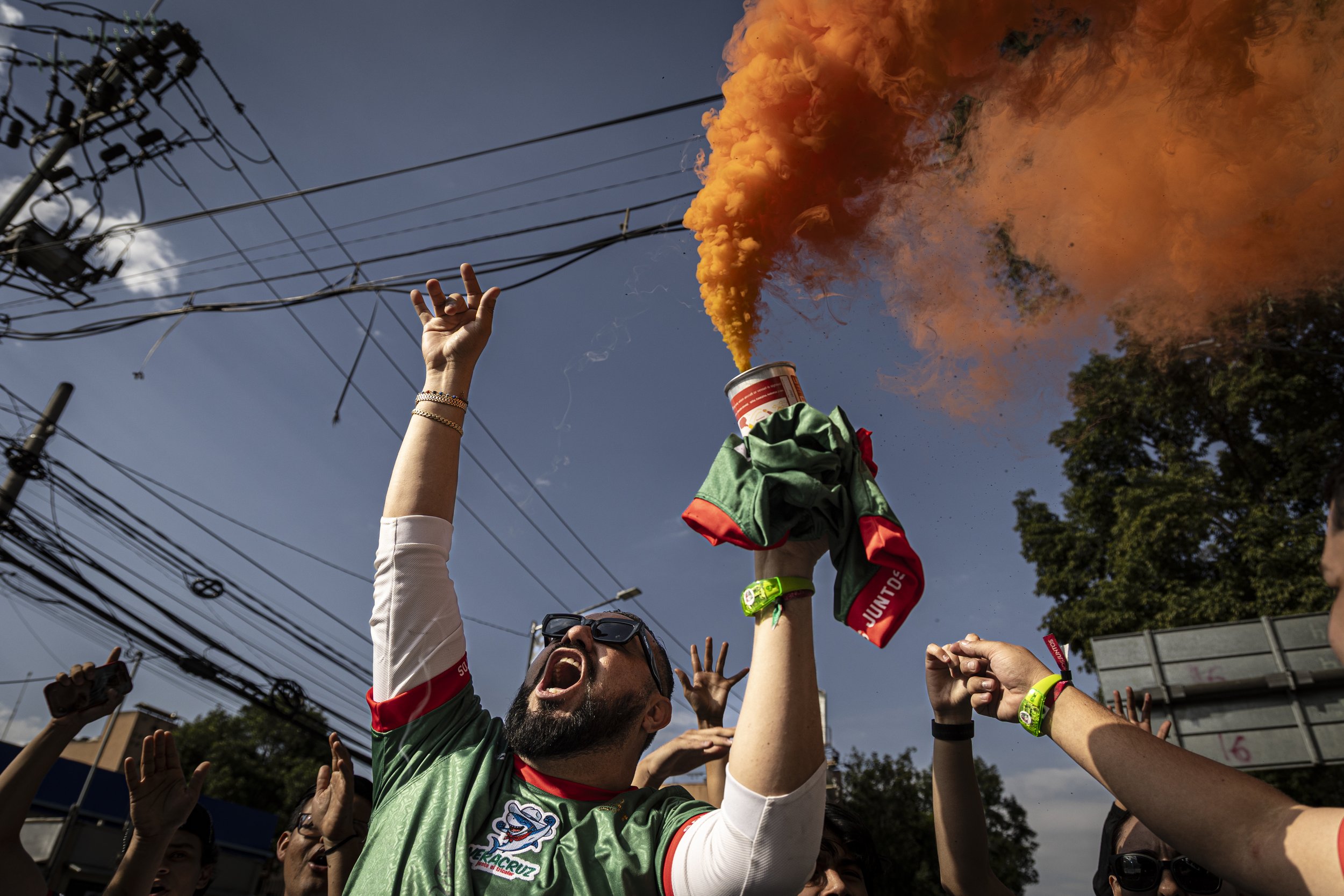





Over the next month, three nations mired in political, economic and social discord will pause to co-host the world’s best soccer players and millions of their fans. Along the shared borderlands of the U.S. and Mexico, people steeped in two cultures are looking beyond conflict to don the colors of their native or chosen homes – or maybe both.
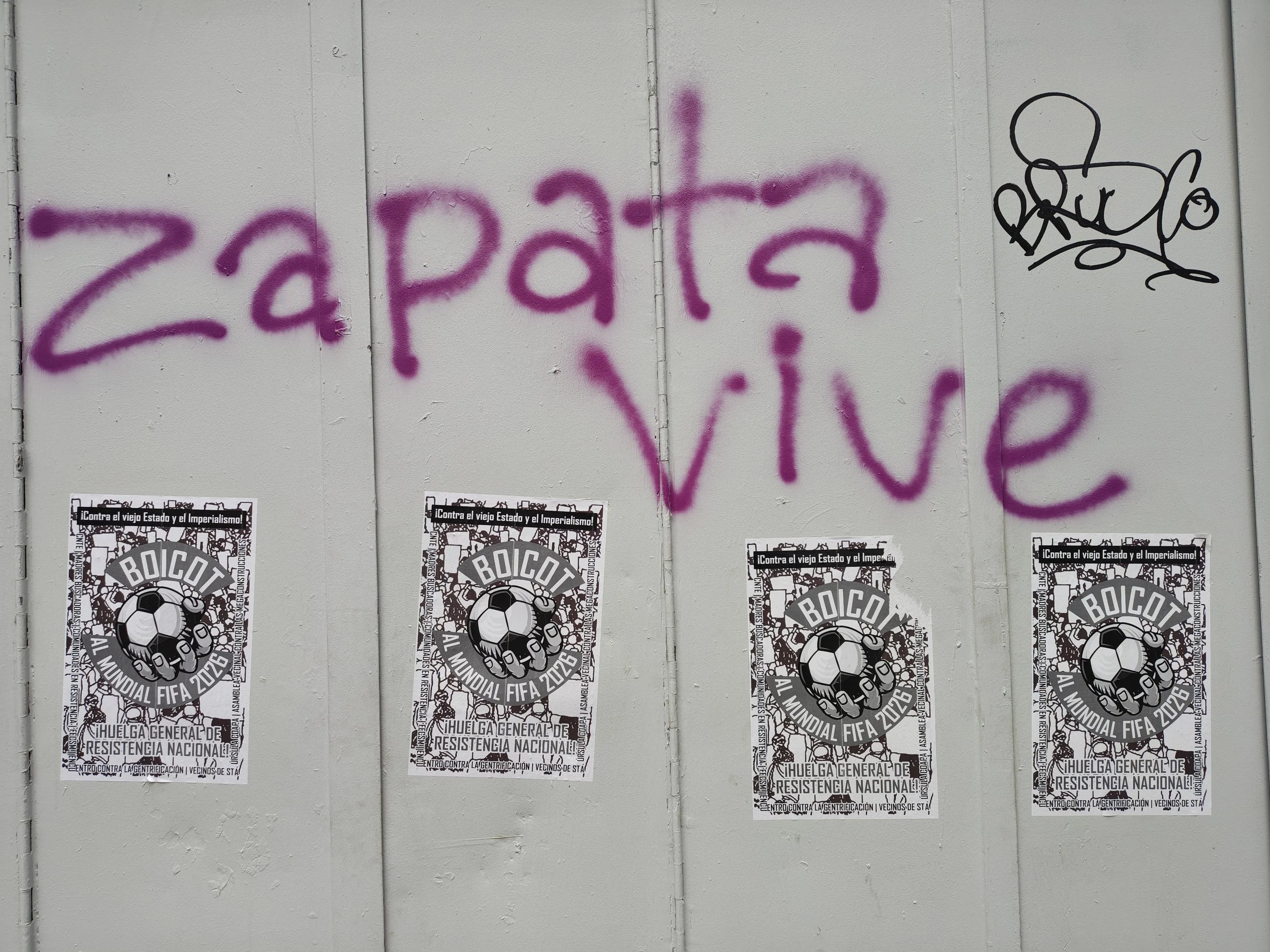
OPINION | Before corporate greed, political cynicism, and VIP areas, soccer world cups felt more personal. Will “fútbol” continue to belong to everyone?
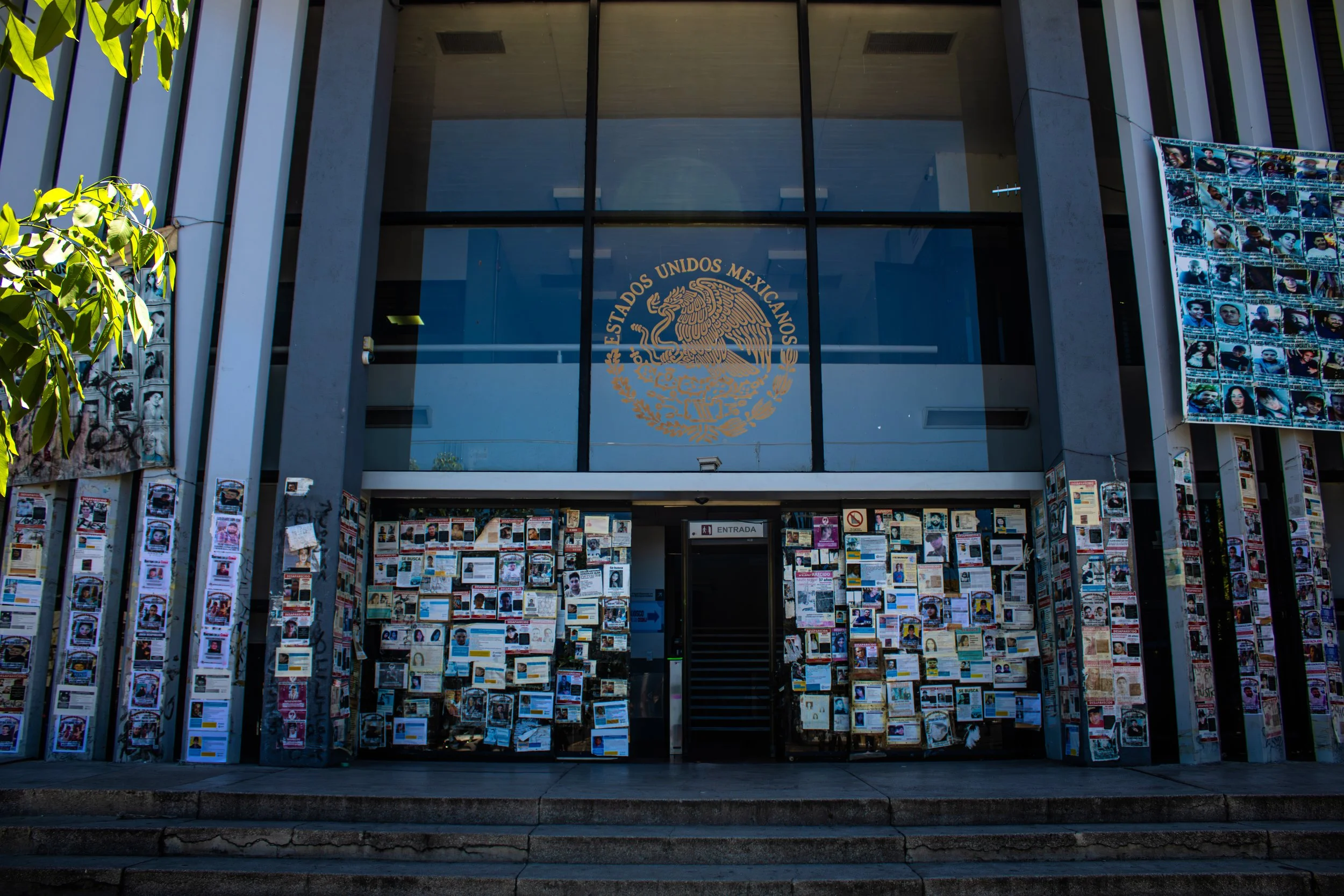
Nearly 1,900 people vanished in and around Mexico’s second-largest city. Some clandestine graves lie near the soccer stadium.
In a webinar on journalist safety and preparedness featuring José Zamora, CPJ’s regional director for the Americas, moderated by palabra, recommendations were offered on how to safely cover the event.
In an exclusive interview with “palabra,” the acclaimed Mexican author discusses his new book, “The Game at the End of the World,” and analyzes the evolution of the rivalry with the U.S., the weight of migration on the pitch, and the consolation of a fanbase that, while knowing its team rarely wins, never stops cheering.
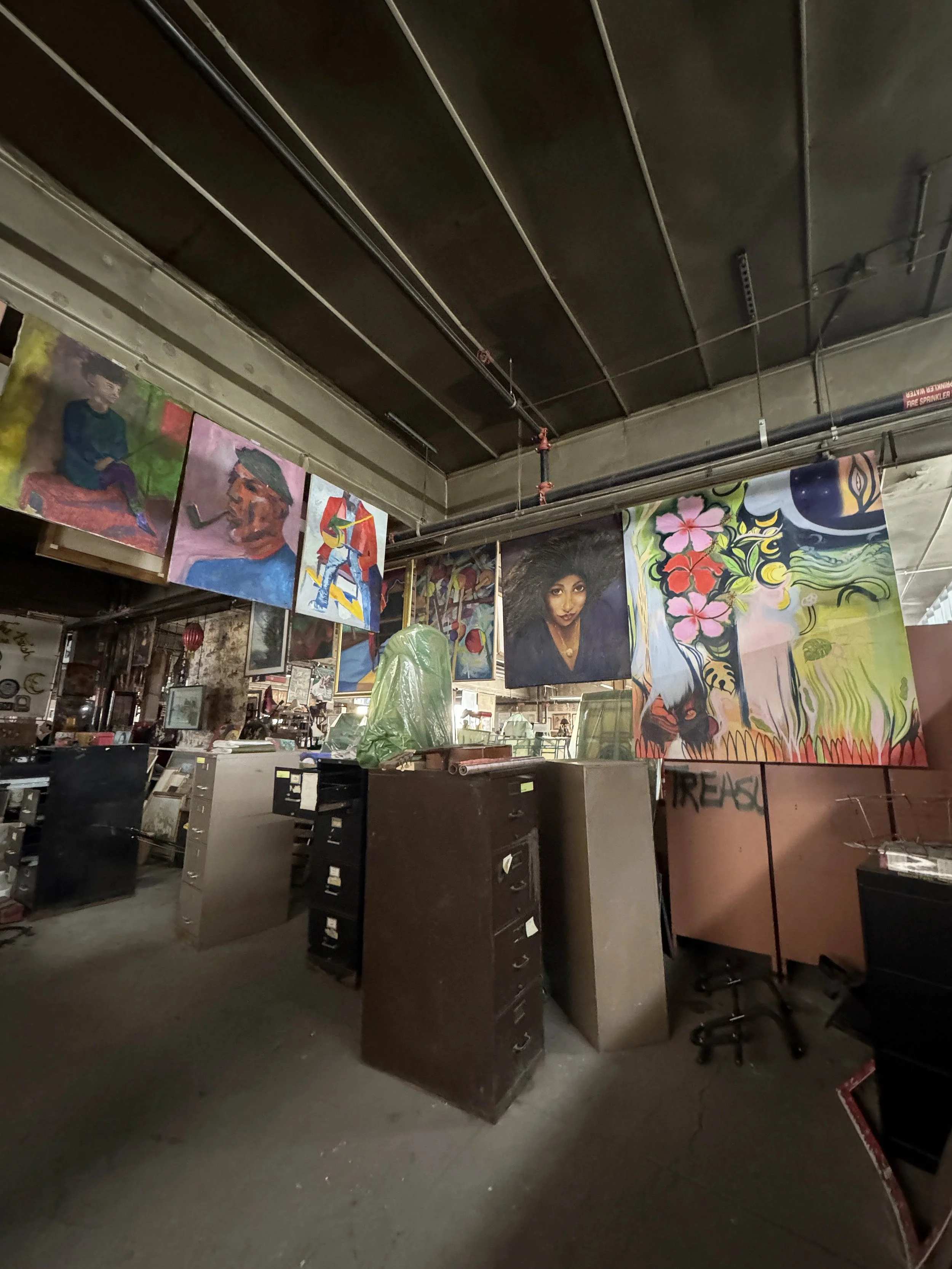
Nelson Molina collected 55,000 discarded objects and turned them into a one-of-a-kind gallery in East Harlem. After the pandemic forced it to close, the city has yet to decide its fate — and its creator fears everything will end where it began: forgotten.
As DACA Renewals Stall, Dreamers Find Support in Online Lifelines, and Face the Possibility of Unemployment, Detention, and Deportation.
A Latino journalist explores a Japanese scene that could fit in Latin America; one in which workers find relief through headbanging, power chords, and an alter-ego.
Music transcends boundaries, and sometimes oceans. and in Japan, salsa, cumbia, and reggaeton have found a second home.
palabra. spoke with the authors of a new book that examines the work of Benito Antonio Martínez Ocasio through the lens of activism
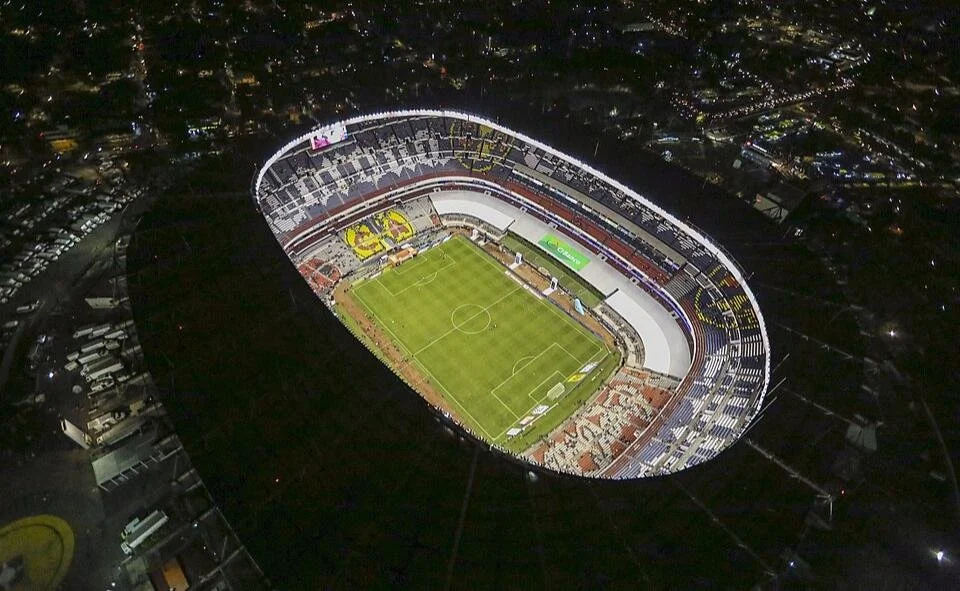
Before the lights of the “Aztec Stadium” flicker on for the FIFA World Cup, southern Mexico City undergoes a transformation, leaving many affected and dissatisfied.
Lilia Rubio went from washing dishes in Utah to working with international heads of state. Now, she tells her story.
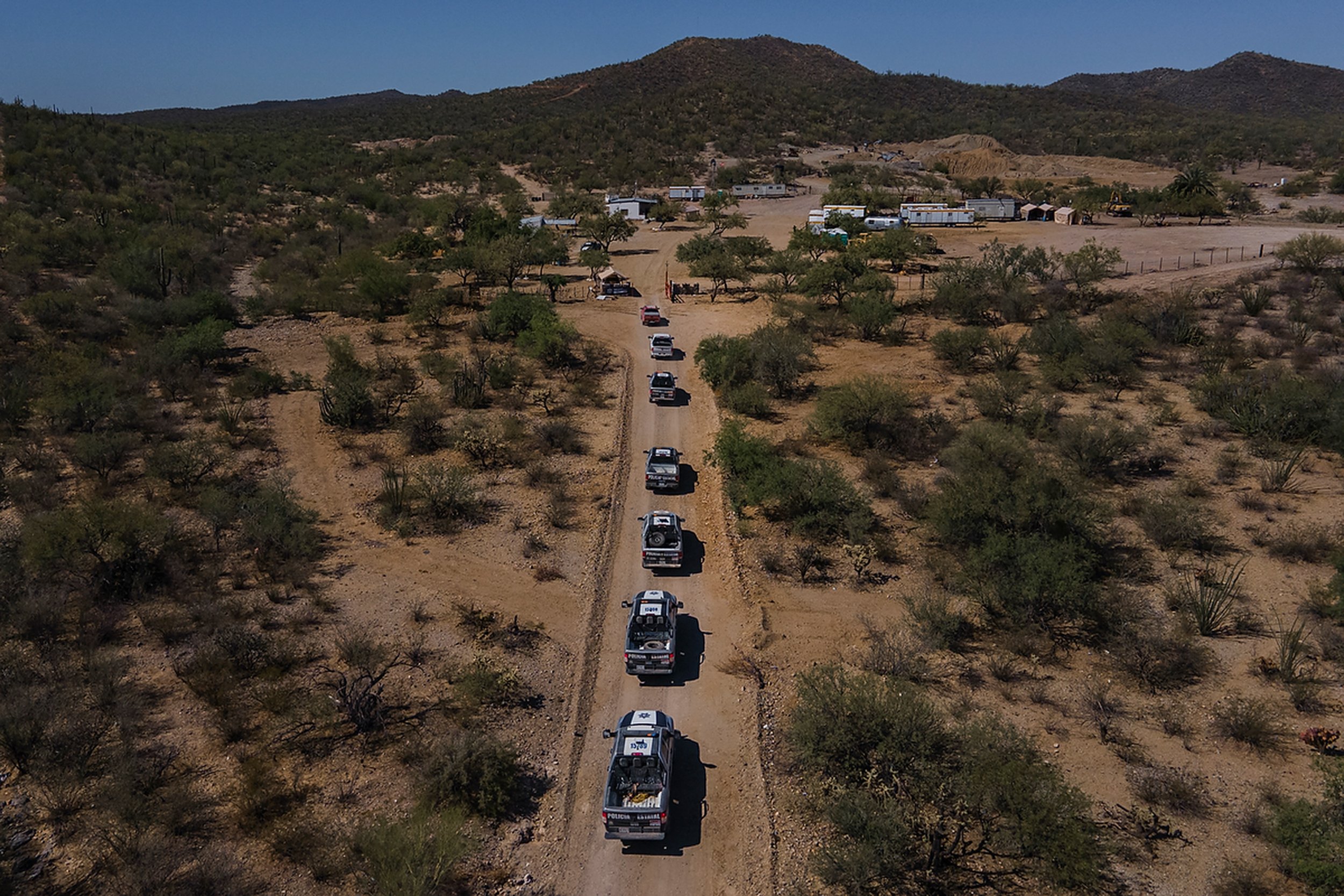
A gold mine in Mexico's Sonoran desert was taken over by the sons of drug lord Joaquín “El Chapo” Guzmán. Mexican officials and military generals said they would help an American businessman reclaim the mine — after hefty bribes. For one man, reclaiming the mine was more than a business proposition. It was a reckoning with his past and a chance to pay back the orphanage that raised him.
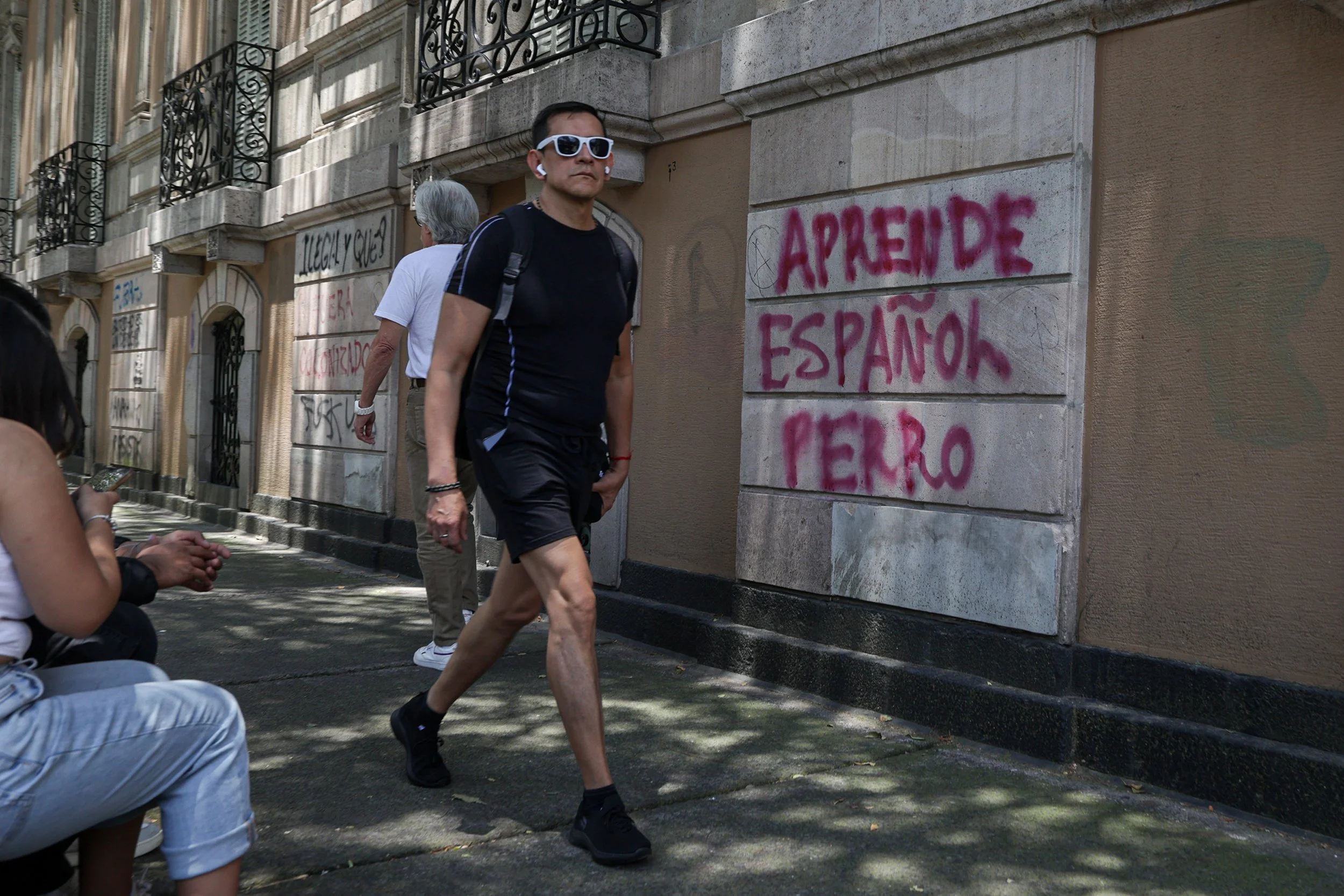
Like in other metropolises, the presence of digital nomads in the Mexican state capital raises questions about capitalism and coexistence.
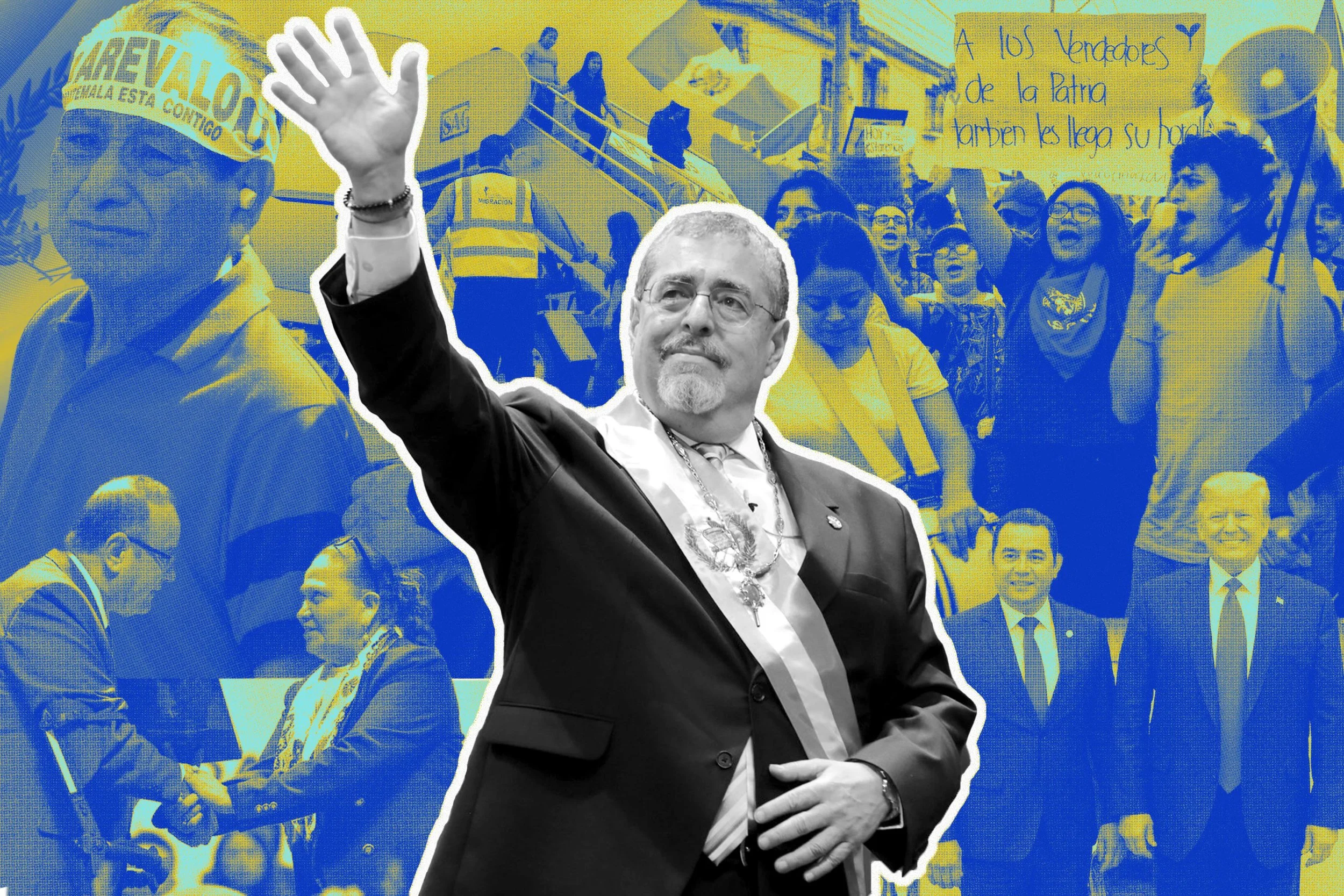
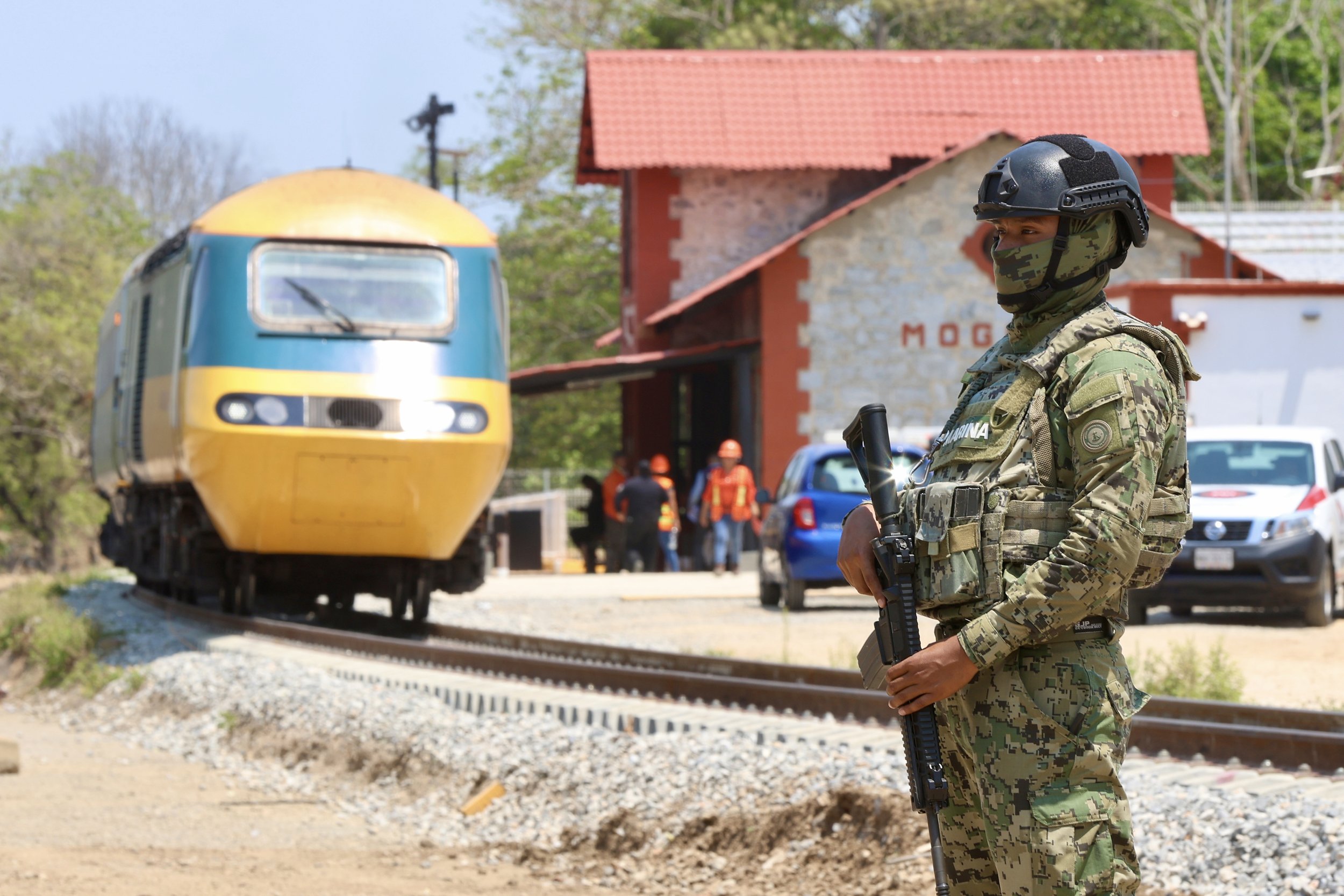
How a progressive president became an unlikely partner in Trump’s hardline immigration policy.
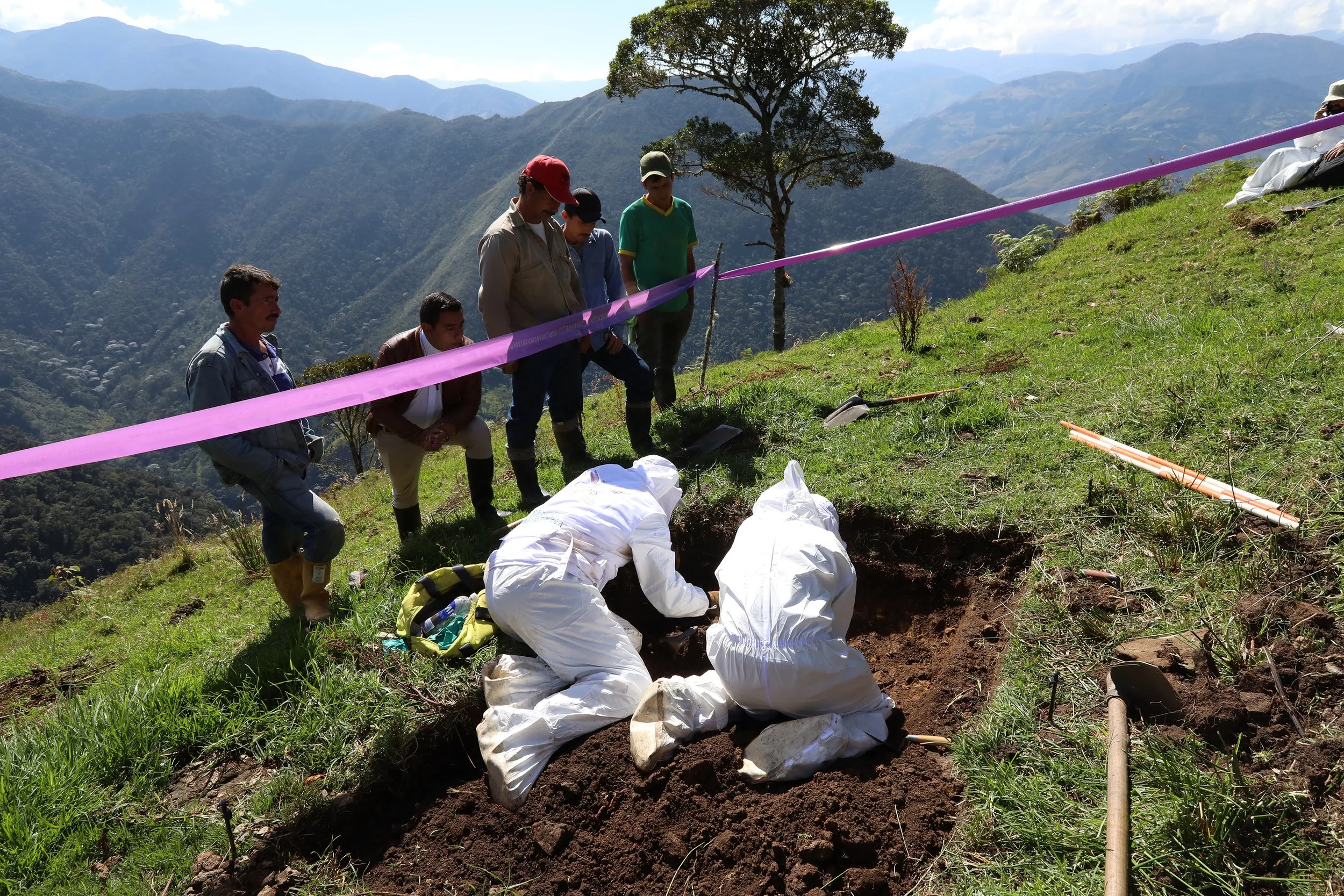
As U.S. funding vanishes, families and forensic teams face an agonizing question: Who will help find the missing now?
The Mexican government has filed criminal charges against opponents of the Interoceanic Corridor. At least 61 people have open legal cases against them. “These are mechanisms of pressure,” argue activists and affected people.
A Mexican government report predicts that industrializing the Isthmus of Tehuantepec will devastate natural areas, turning them into polluted industrial zones with contaminated water, infertile land, polluted air, and widespread animal deaths.
The first female president of Mexico says she will continue the reforms of her predecessor; analysts predict greater diplomatic openness with the United States.
With insufficient information and little notice, the indigenous consultations supported by the Mexican government were the first violation of the peoples' rights of the Isthmus. The falsification of signatures followed, along with the votes of deceased people.
Borderland Mexicans hope the country’s first female president prevails where her predecessors have not.
The upcoming Mexican presidential election may determine the fate of Mexico’s 30-year-quest for a full democracy.
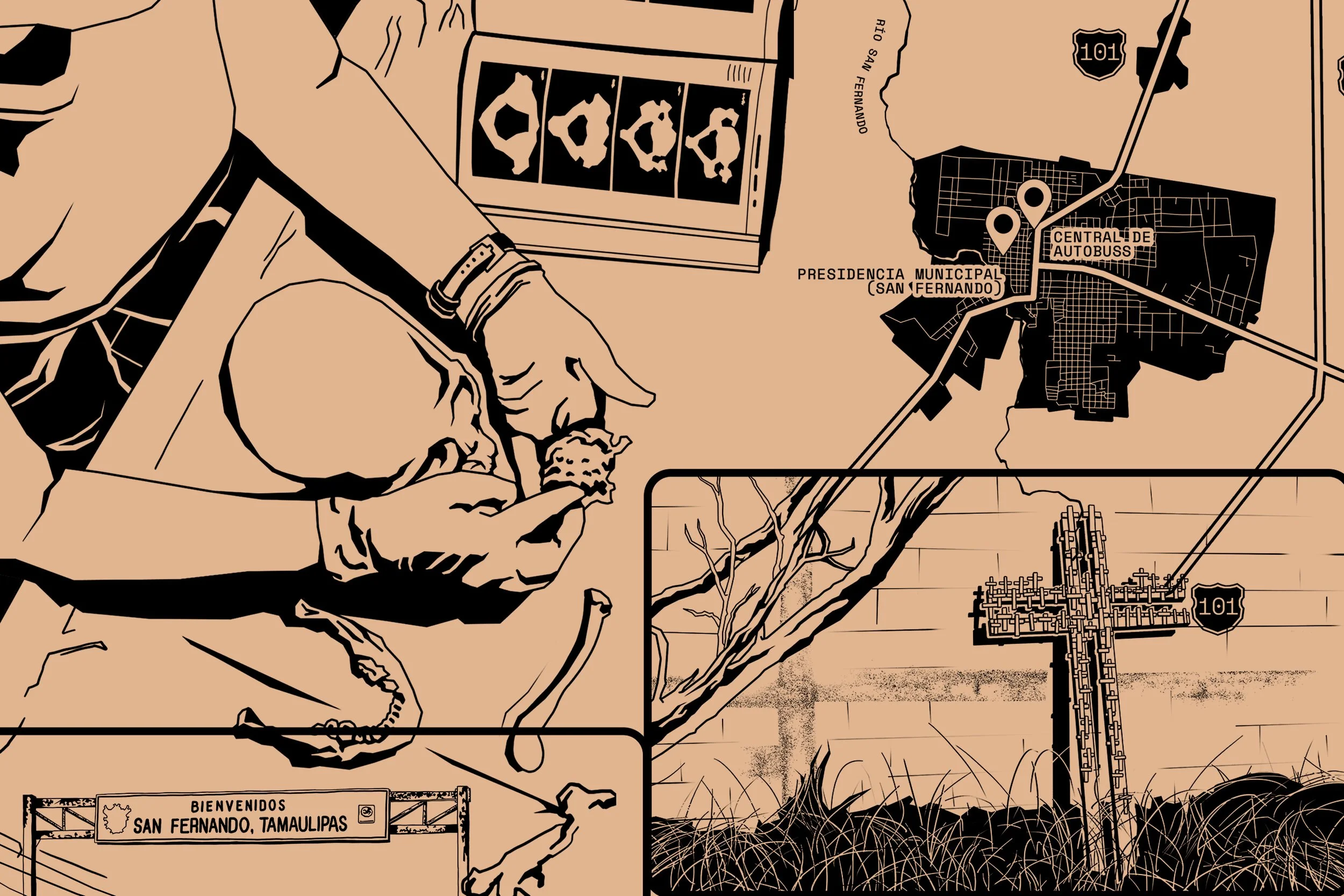
A Mexican journalist’s new book takes readers on a disturbing trip that reveals how organized criminals routinely targeted and killed travelers bound for the Texas border — with almost total impunity.
El nuevo libro de una periodista mexicana lleva a los lectores a un desconcertante recorrido que revela cómo los criminales organizados rutinariamente apuntaban y mataban a viajeros con destino a la frontera de Texas, con casi total impunidad.
El legado de la gigante petrolera: Comunidades indígenas en Ecuador enfrentan contaminación y enfermedades.
Digital “nomads” seeking paradise settled in a beachfront Dominican town, hurting the local economy, while just beyond their view the Dominican government continues its systemic deportation of Haitians.
There are invisible layers in a catastrophe when fleeing a disaster is not a possibility for everyone. When the recommendation during an earthquake is to run and preserve life, what happens to those who cannot do so on their own? From Caracas, three testimonies show what disabled people —the “world’s largest minority”— experience during a natural disaster.