
Trying to Erase Hispanics Is Useless
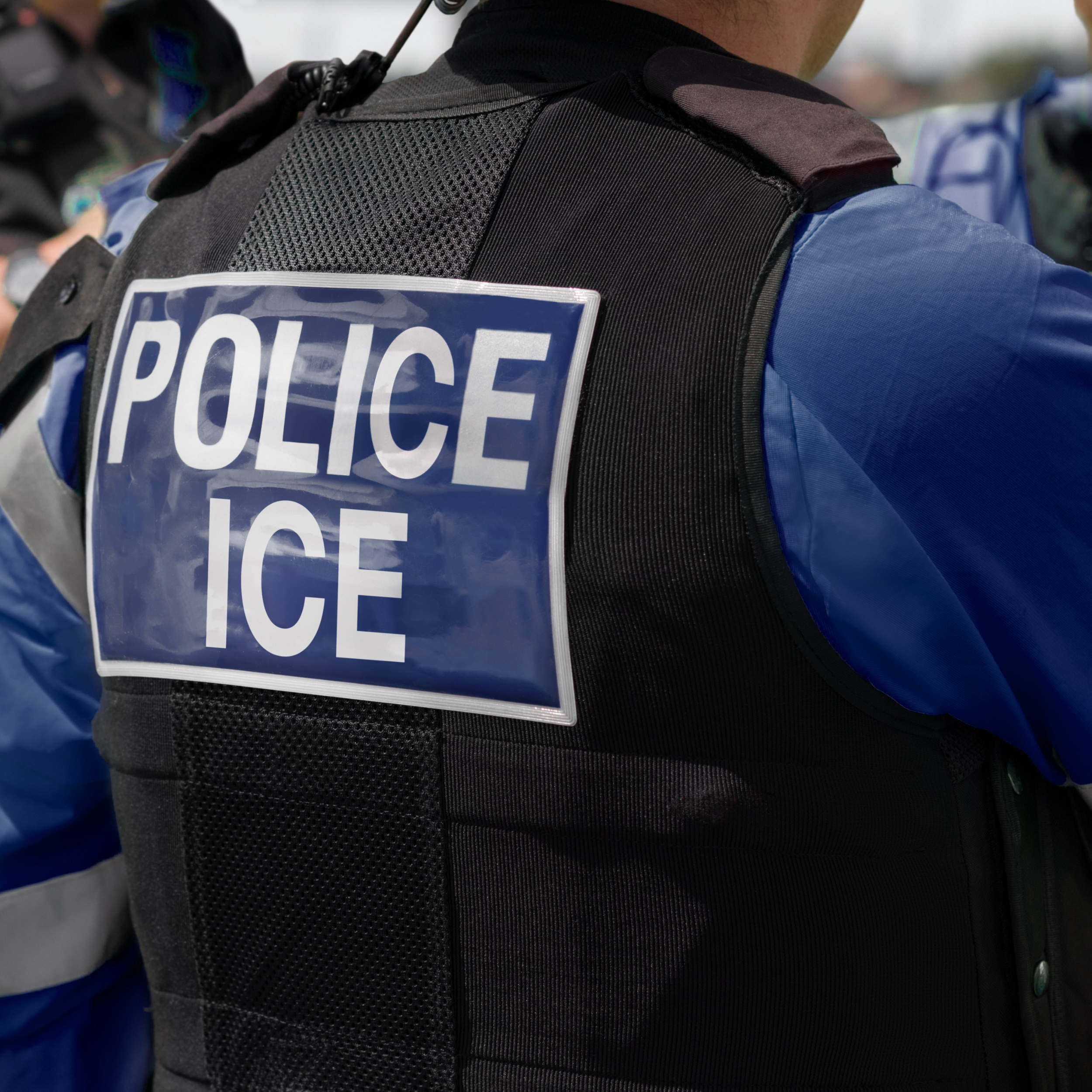
iStock photo by Lawrey.
“There is a belief among certain people on the far right that some citizens, even if they carry a passport and identification, are somehow less legitimate than others. Years ago, that was recognized as white supremacist and racist thinking. Today, it has been validated by a political movement,” says Ernesto Castañeda, director of the Center for Latin American and Latino Studies.
Clic aquí para leer en español.
Words by Julio Túpac Cabello, @eljuliotupac
Human beings understand the world through representation. Material reality alone is not enough. If things do not exist as ideas in our consciousness, if they are not part of the way we think, they symbolically disappear.
That is what is happening to Latinos in the United States.
We are now facing a second Trump administration backed by a political culture that seeks to erase us, one that does not see a multiethnic, multireligious, multilingual society as a virtue. Instead, it aims to restore hegemonic control to the group it believes is the rightful embodiment of the American identity: white, Anglo-Saxon, Protestant, or conservative Christian.
The premise itself is a fallacy (as we have said before, beliefs are often arbitrary), because this country was founded, shaped, and built by immigrants from every corner of the world.
At the very beginning of this administration, the White House and several federal agencies took down their Spanish-language websites: a clear expression of rejection toward Hispanic culture in the United States. It was only the beginning.
SUBSCRIBE TO PALABRA’S NEWSLETTER
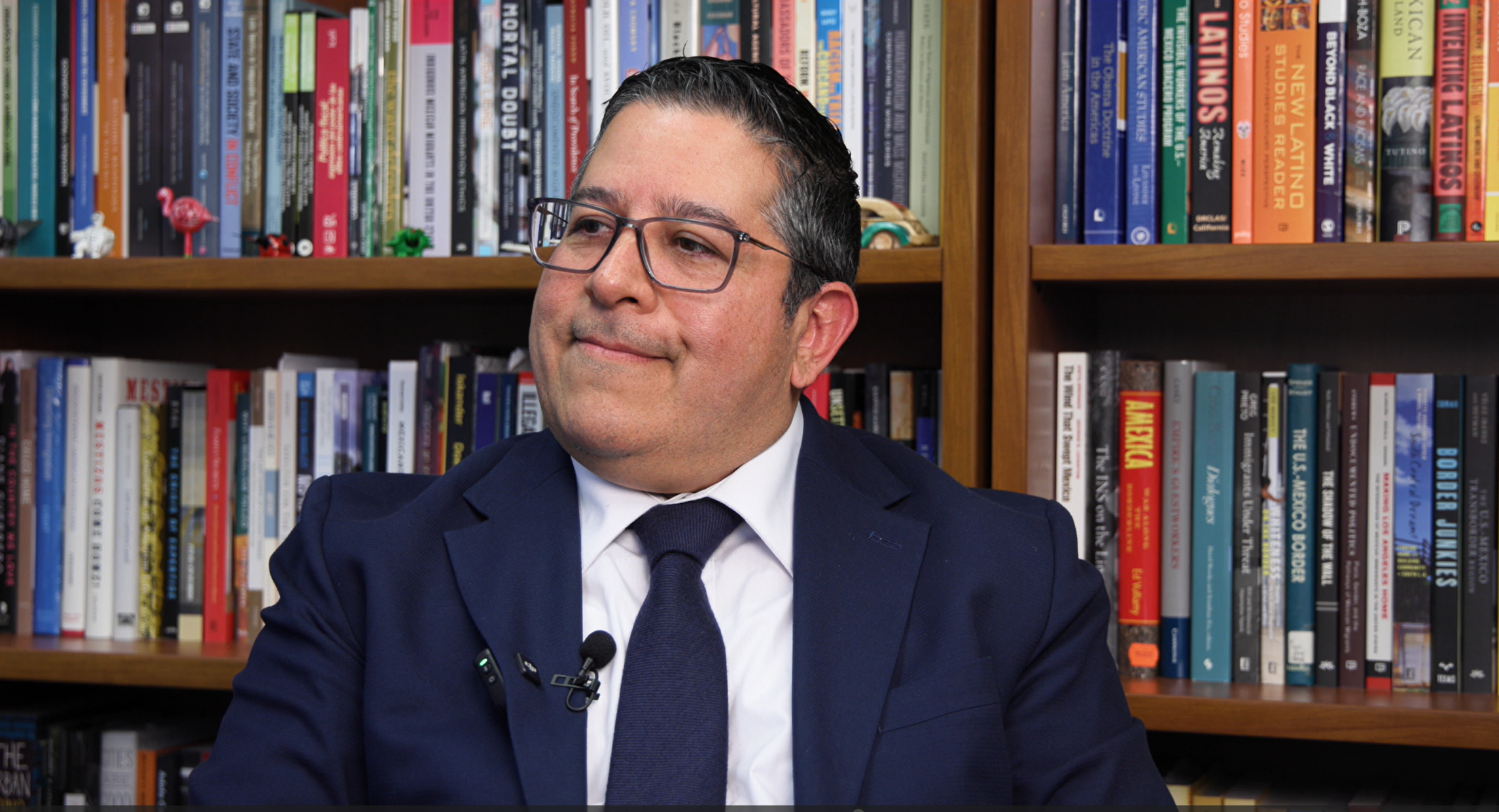
Castañeda: “Trump cannot erase the influence of Latinos in all spheres: in medicine, in schools, in the arts, in sports, in work, in research, in the media.” Photo via Ernesto Castañeda.
For Ernesto Castañeda, sociologist, researcher, professor at American University in Washington, D.C., and director of the Center for Latin American and Latino Studies and The Immigration Lab, “within the MAGA project, Latinos cease to be part of the American polis and instead become a group of people who must be expelled from society. Even Latinos who have been settled in the United States for many years now face the explicit threat of being pushed out.”
That may sound exaggerated or even irrational, but reality increasingly suggests otherwise.
“And another objective of MAGA policies is to dismantle the civil rights achieved during the 1960s through the struggles of Martin Luther King Jr. and many others, which established greater equality for African Americans and other ethnic communities, while also advancing women's rights,” Castañeda continues.
Like every nationalist and supremacist movement, however, this search for an imagined original purity is ultimately absurd. There is simply no way to erase the 65 million Hispanics counted by the U.S. Census, with their mixed marriages and their second- and third-generation Latinos born and raised in this country. Latinos have been transforming American culture for decades, and they will continue to do so for decades to come. Today, they make up 20% of the U.S. population.
Self-hating Latinos and religious discrimination
Support the voices of independent journalists.
|
This narrative has affected Latino culture, our identity, our economic well-being, our sense of belonging as citizens, and our mental health. All of these distortions of the social climate become obstacles to growth, fulfillment, peace of mind, and innovation. Fear, for those who experience it, and there are many, acts as a brake, slowing people down and constraining their lives.
Some people are afraid to leave their homes. As a result, they earn less and spend less, affecting not only their own lives but also the broader economy, including businesses that have nothing to do with Latinos. According to a University of Pennsylvania study, consumer spending declined by $14 billion in 2025 alone because of this phenomenon.
“It is a self-destructive idea,” Castañeda says. “It is ideological rather than pragmatic. Trump convinced Cubans, Venezuelans, Central Americans, and others that he was only going after the very worst criminals. But the Latino community has now realized there is no distinction. They want all of us out. And that will affect future voting preferences.”
Those in the Trumpist elite know this, he argues, “and they consider it a price worth paying to energize their white-centered and xenophobic political base. Only Latinos who identify as white and harbor a degree of self-hatred remain part of Trump's electorate. But they are a minority.”
Even so, Hispanic culture remains visible almost everywhere because the market follows demographic reality.
“The demographic reality of the United States has not changed.”
There is also a process of racialization. The goal is to make being Hispanic and speaking Spanish synonymous with being undocumented and outside the law.
“There is a belief among certain people on the far right that some citizens, even if they carry a passport and identification, are somehow less legitimate than others. Years ago, that was recognized as white supremacist and racist thinking. Today, it has been validated by a political movement.”
Castañeda holds a Ph.D. in Sociology from Columbia University and has spent more than two decades researching immigration, publishing several books on the subject. For him, there is one reality that cannot be erased.
"Trump cannot erase Latino influence across every sphere of American life: in medicine, in schools, in the arts, in sports, in the workplace, in research, or in the media," he says.
A recent example illustrates the point: 20 percent of English-speaking viewers watched the World Cup on Telemundo.
“Latinos have been woven into a conspiracy theory, a complex narrative built on multiple falsehoods at once, in which people are urged to vote against Latinos who are supposedly complicit in election fraud, all in the name of defending what is considered really 'American,'” Castañeda says.
But, on the contrary, he argues, “Latinos are the future. We will very likely see a Latino governor in California soon. Marco Rubio is already a glimpse of what's to come. It wouldn't be surprising if, within one or two election cycles, the United States elected a Latino president.”
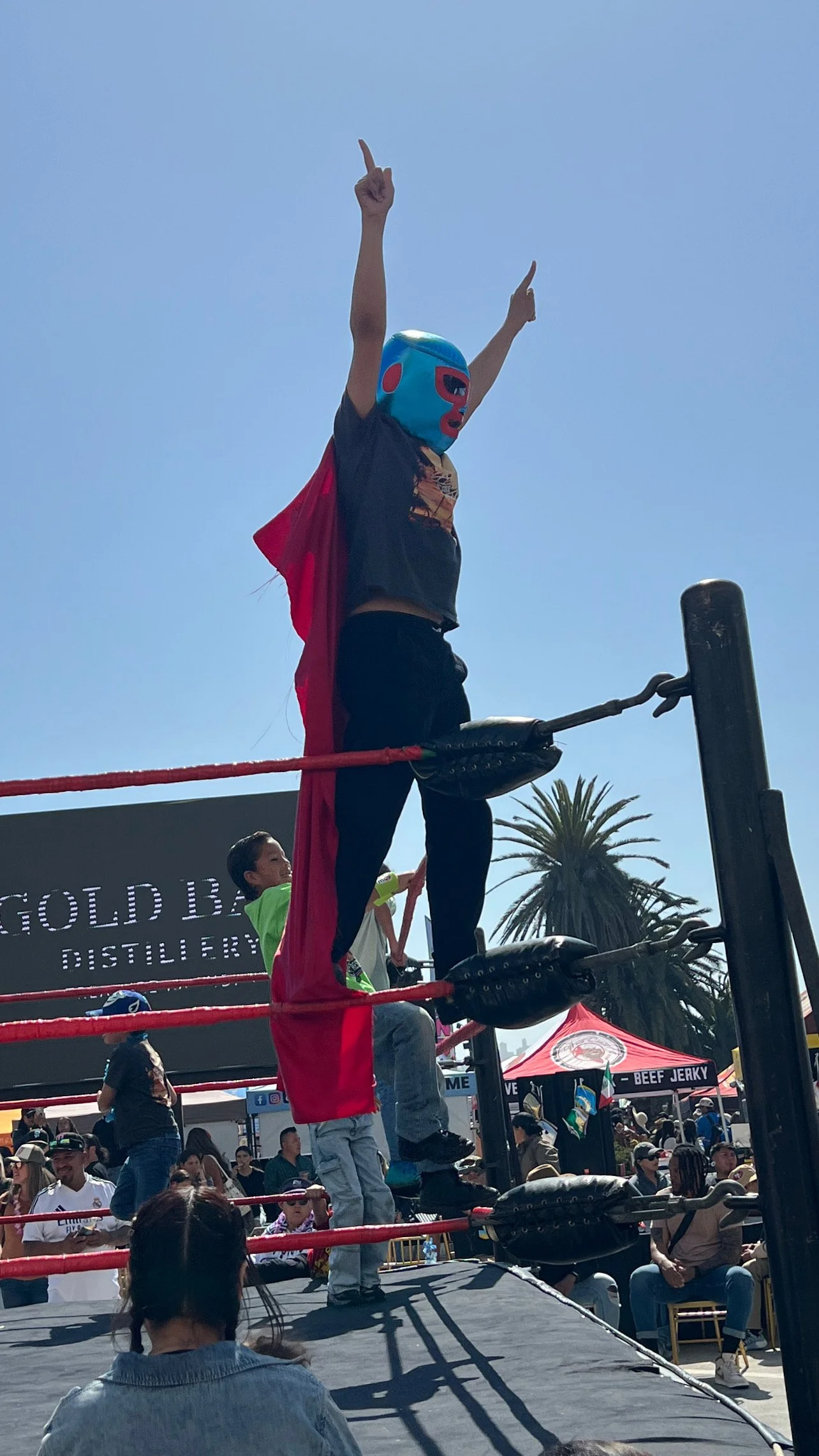
Cinco de Mayo celebration. San Francisco, CA. 2025. Photo Tamoa Calzadilla.
The Price
Public opinion polls appear to support Castañeda's assessment. No major polling organization currently gives president Donald Trump an approval rating just above 30 percent.
Among Latinos, the numbers are just as bad or worse. According to a Pew Research Center survey, eight out of ten Hispanics, regardless of their political affiliation, believe Trump's policies have been harmful to the Latino community. More than half of Latinos also express concern about their place in American society.
Alongside the Hispanic community's well-founded rejection, fear, and concern has come a dramatic increase in immigration arrests. In July alone, ICE detained more than 46,000 immigrants, the highest monthly total on record.
Amid this wave of arrests, marked by numerous cases of unlawful detentions and documented abuses, 24 Latinos have died while in the custody of U.S. immigration authorities. There have been many cases of people with legal status being arrested, parents separated from their children, and countless other detentions that appear entirely unjustified. The only reason has been their origin. An idea fundamentally at odds with American values.
For Castañeda, “things will improve once this Trumpist nightmare is over. There will once again be plenty of room for Latino voices, and for many others that have also been silenced.”
“Another objective of MAGA policies is to dismantle the civil rights achieved during the 1960s through the struggles of Martin Luther King Jr. and many others, which established greater equality for African Americans and other ethnic communities, while also advancing women's rights.”
— Ernesto Castañeda, sociologist, researcher, professor at American University in Washington, D.C.
Julio Túpac Cabello is a journalist, author, and storytelling specialist. He has worked for international news organizations including BBC, Univision, and Agencia EFE, as well as television networks such as HBO, Sony Pictures Television, and NBC Telemundo. He graduated from the Central University of Venezuela and holds a master's degree in Film and Television Production from the University of Bristol in England. He is the author of Nosotros, los centauros (fiction), Felices bastardos (an unconventional portrait of the often-overlooked city of Miami), and Sabiduría de moribundo (a work of creative, cross-genre writing), among other books. He currently lives in Washington, D.C. @eljuliotupac