OPINION | Neo-State Terrorism: The Country Now Faces a Different Kind of Attack
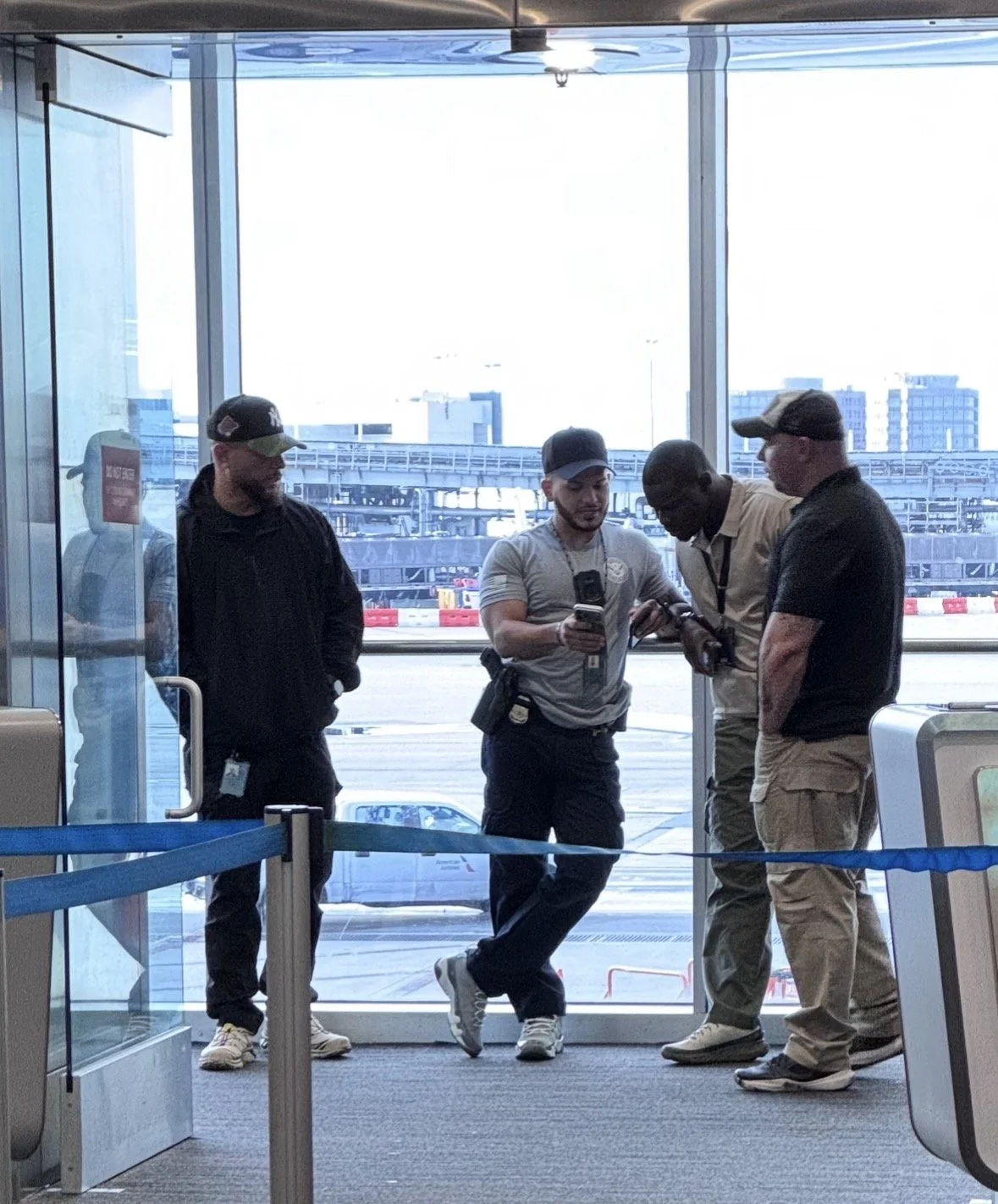
Law enforcement officers at the boarding gates of Miami International Airport on Sept. 10, 2026. Photo by José Zamora.
“This time, the attack comes from within. Those in power are themselves weakening the institutions, checks and balances, and safeguards that for generations defined the United States in the eyes of the world.”
Clic aquí para leer en español.
By José Carlos Zamora, @jczamora
Every September 11, we commemorate the most devastating terrorist attack ever carried out on U.S. soil. But, almost without noticing it, the United States today faces a different kind of attack, one that is slower, less visible, and potentially more profound because it erodes from within the principles that made this country what it is.
For decades, the United States stood as a model of modern democracy that, despite all its imperfections, wielded moral authority in the defense of democratic institutions, human rights, the rule of law, and due process. It was also the driving force behind a globalized world.
Today, it is an increasingly isolated country, involved in wars that are difficult to win and, above all, embroiled in a war against its own principles and against the ideals its founders enshrined in the Constitution.
This time, the attack comes from within. Those in power are themselves weakening the institutions, checks and balances, and safeguards that for generations defined the United States in the eyes of the world.
Support the voices of independent journalists.
|
A sovereign country has both the right and the obligation to protect its borders and enforce its immigration laws. But enforcing the law is one thing; eroding the rule of law in its name is another. The immigration crackdown has affected not only people who entered the country unlawfully. It has also reached migrants who used legal channels to seek asylum, residency, or citizenship, as well as immigrants with no criminal record. When state power displaces due process, what is lost is the certainty that the law protects everyone.
In the field I know, the defense of journalists and press freedom, the signs are equally troubling. During Donald Trump’s second administration, we have documented attacks, threats, and pressure against journalists: access restrictions, legal actions, subpoenas, raids, detentions, and deportations.
The press, even when it is deeply uncomfortable and irritating to those in power, is not an enemy of the state. It is one of the institutions that help keep the government clean, efficient, transparent, and subject to public scrutiny.
Governing a country carries an enormous responsibility. Good government builds, it does not destroy. It strengthens institutions for everyone, not only for those it considers part of its political base. And it understands that democratic power is measured, in part, by the constraints it is willing to impose upon itself.
The immigration crackdown has affected not only people who entered the country unlawfully. It has also reached migrants who used legal channels to seek asylum, residency, or citizenship, as well as immigrants with no criminal record.
This September 11, as the White House honored those who died in the attacks and the wars that followed, we should have remembered not only the victims, but also the principles the United States said it was defending against those who attacked it.
Honoring them requires more than rhetoric. It requires preserving the rule of law, due process, freedom of the press, and limits on power.
Because neo-terrorism does not need to bring down buildings. It needs only to demolish, little by little, the institutions that hold them up.
And if that demolition comes from the state itself, the result ends up dangerously close to what those who brought down the Twin Towers sought to achieve, weakening the principles of the country that built them.
—
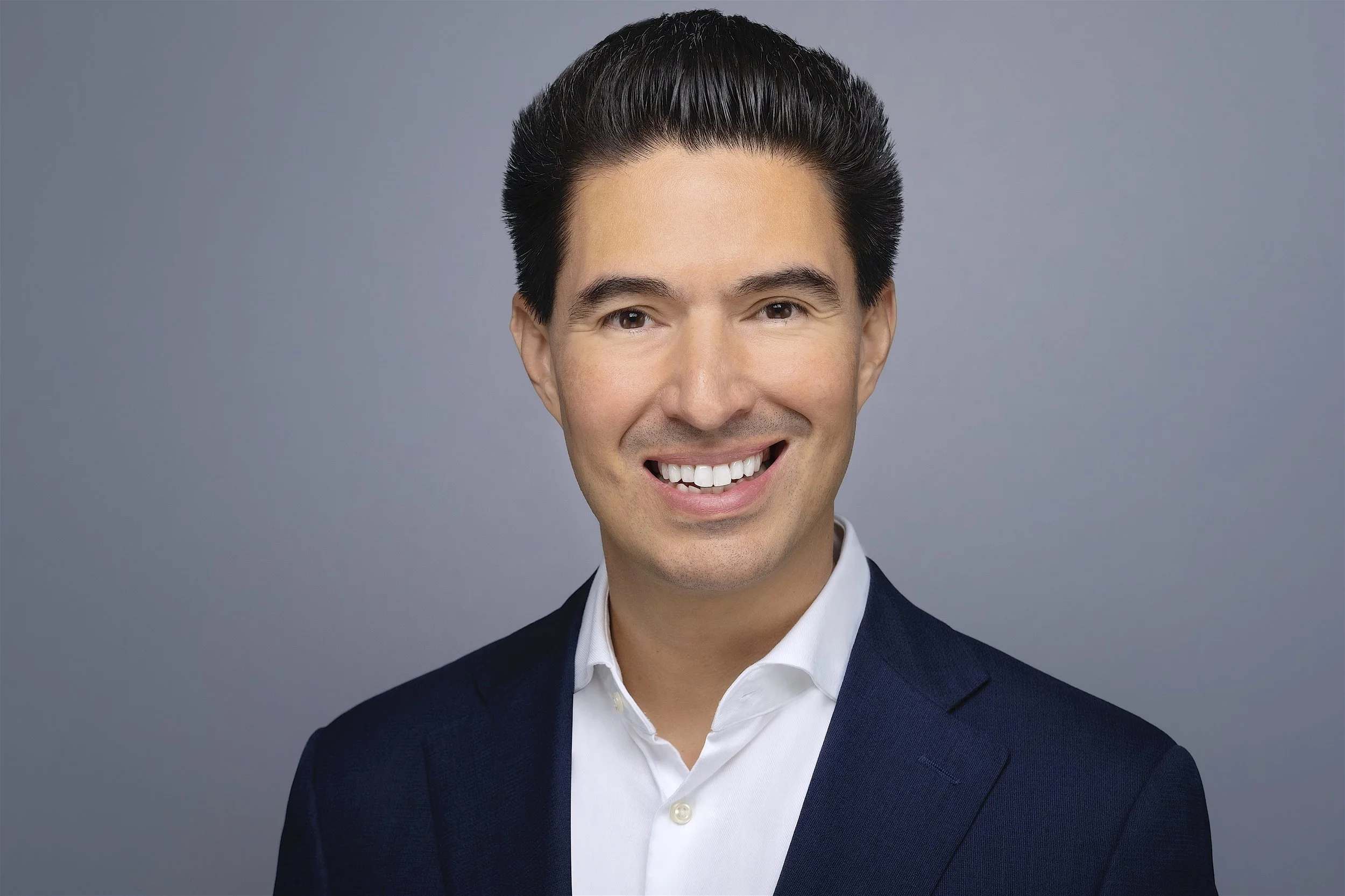
Jose Carlos Zamora is Regional Director for the Americas at the Committee to Protect Journalists (CPJ). He previously held leadership roles at Exile Content Studio, Univision News, and the Knight Foundation, where he helped lead the Knight News Challenge. He began his career at elPeriódico de Guatemala and, in 2024, founded Ilumina Communications and helped launch the Central American Independent Media Archive. In 2026, he received the Online News Association’s Rich Jaroslovsky Founder Award for his career and contributions to journalist.