
She Survived Partner Abuse and Now Helps Other Latinas Move Forward
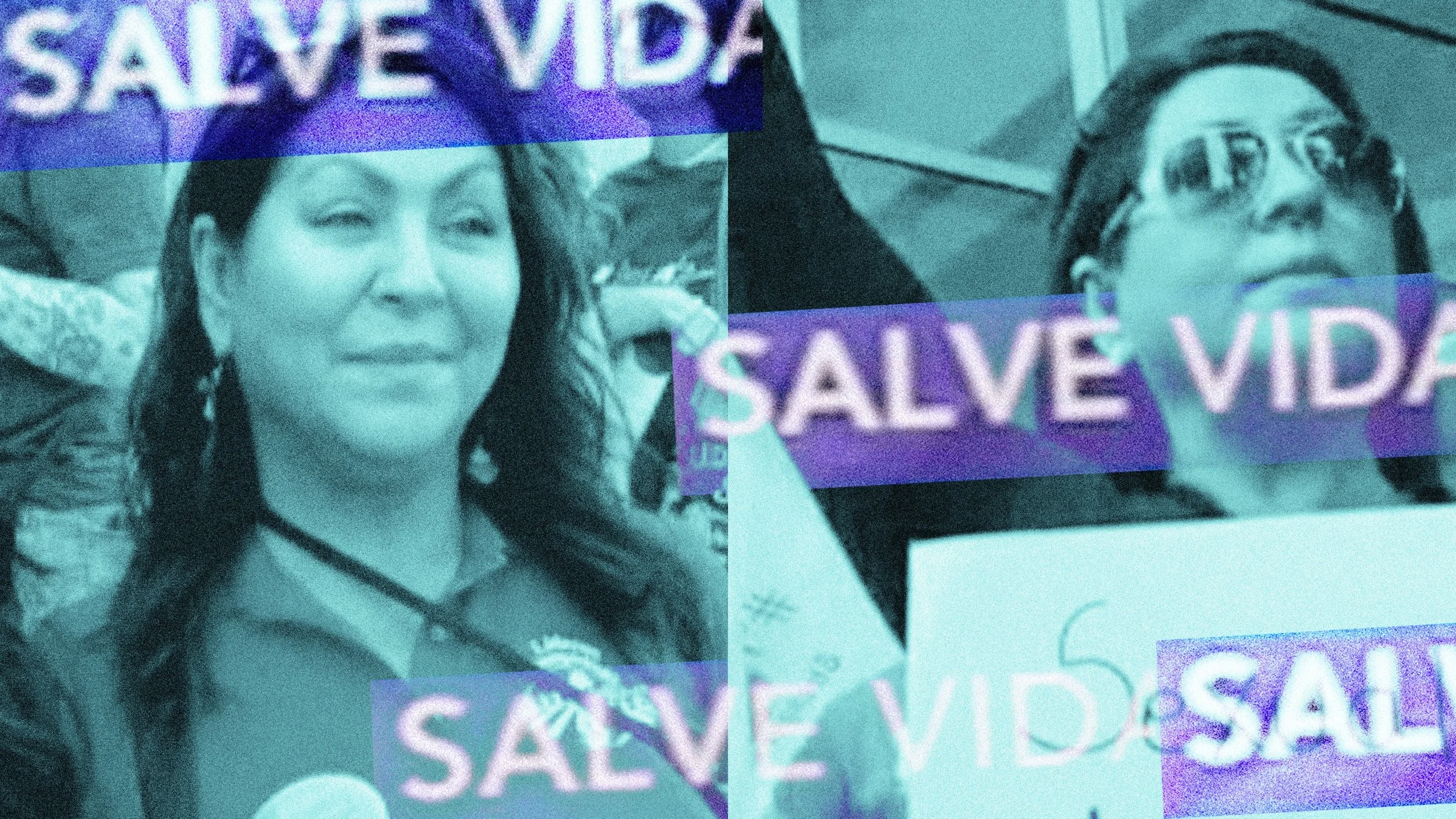
Photo provided by Elvira Herrera. Art by Acento Story Tank
After experiencing domestic violence firsthand, Elvira Herrera decided to support female farmworkers, helping them navigate their challenges with cultural sensitivity.
Clic aquí para leer en español.
Text by Victoria Valenzuela
Edited and translated by Rodrigo Cervantes
COACHELLA VALLEY, Calif. — One night in 1990 at 2 a.m., Elvira Herrera got a call from a campesina who was crying. The farmworker told Herrera she was hiding with her newborn baby from her abusive husband behind a dumpster.
The woman wasn’t allowed to have a phone, so she used a prepaid one Herrera had bought her. The man, Herrera said, had been abusing his wife since her early pregnancy, so she was executing an escape plan that she had come up with Herrera months prior. Herrera went to pick her up and drove her to a Greyhound station, where she bought her a ticket to Los Angeles.
“I could name so many stories, but that one is the one that really touched me,” Herrera says. “There's others, but that's the one that stands out the most.”
Herrera helps other women as a promotora, or a volunteer in the community helping women facing domestic violence abuse. That campesina was one of many Latinas, particularly farmworkers in Southern California, experiencing domestic violence. Born in Tijuana, she has helped Latinas learn their rights and work on escape plans, empowering them to leave their threatening situations in culturally responsive ways. She herself is a survivor of domestic violence, and had to escape from her abusive relationship and heal with no support or understanding from the system.
She says that, from the time she was 18 years old until 21, she was a victim of domestic violence and sex trafficking by her husband, whom she also shares a daughter with. He would beat her and let other men abuse her in exchange to settle his drug debts, sometimes with her daughter in her arms.
Herrera says it took years to get the courage to leave. When she finally did, she started having episodes in which she felt her heart was racing while feeling like she couldn’t breathe. The doctors, she says, told her nothing was wrong. One of them even threatened to send her to a mental institution, accusing her of imagining things. It was until a Latino nurse told her that she was having panic attacks from trauma that she began to understand.
“He told me, ‘No estás loca, you're going through traumas that you went through in your past,’” Herrera recalls.
After that, Herrera says she sought therapy and learned more about the effects of trauma. She didn’t want anybody else experiencing what she had alone, so she started advocating for other survivors as a promotora before there was even a word for it.
“Whatever failed me in the past, whether it could be the system or the people that work the system, or whatever was done to me, now I make sure that other women's rights are not violated,” Herrera said.
subscribe to palabra’s newsletter
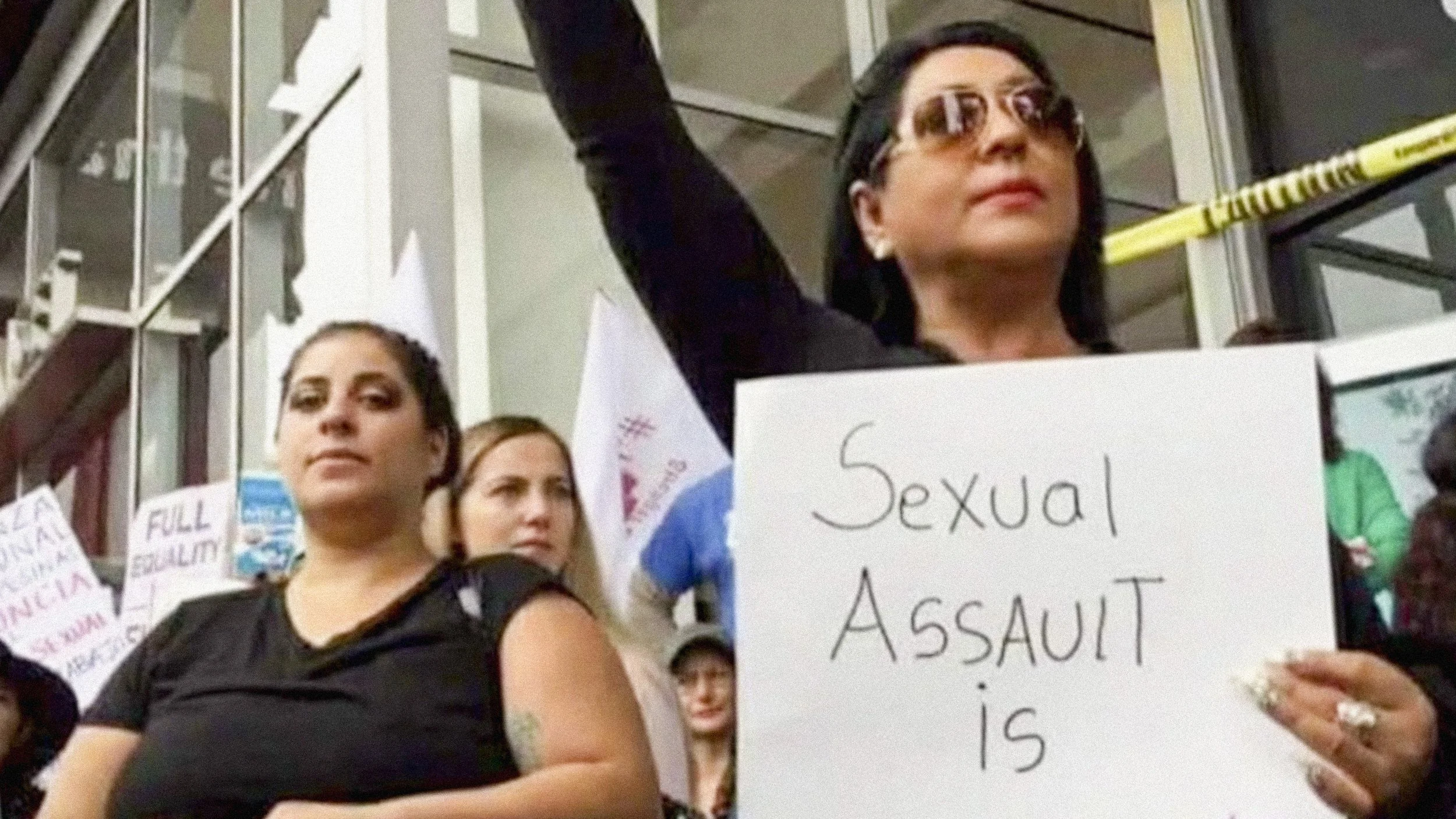
Herrera says Líderes Campesinas has about 350 promotoras across California. Courtesy of Elvira Herrera.
Support the voices of independent journalists.
|
Last year, the California State Capitol held a Promotora Legislative Advocacy Day, which included as guest Líderes Campesinas, the organization with which Herrera has been working with since 2013. While Herrera says Líderes Campesinas has about 350 promotoras across California, there are various other groups as well. Herrera works mostly with campesinas in the Coachella Valley because her parents were farmworkers there.
Herrera says that in the 1980s, when she started working as a promotora, there was no training. Now, various programs in different cities and states, including Chicago, New Mexico, California, Minnesota, Colorado, and more, are offering training to the volunteers.
Herrera says that Latinas experiencing domestic violence might face unique barriers. After decades of working with survivors, she says she realized that they mainly struggle to leave a toxic relationship due to: religion and the marriage vow of “death do us part,” shame of telling others, and fear of calling the police or having immigration agents getting involved. Another problem, she says, is that most of the victims do not have a family or support system in the United States, which makes them feel like their partner is the only person they have. She says even some people mistrust clinics.
During the time she has worked as a promotora, Herrera has done outreach in the community to gain their trust, which she says is the most important part. She, along with other promotoras, goes to the fields at the crack of dawn to give campesinas information about domestic violence and their contact information to reach out.
“We're out there in the community, one on one with them,” Herrera says. “We are not waiting for them to come to an appointment. We're not waiting for them to come to our door. No, we go out to them and take whatever information they need, we go ask what their needs are, so we could bring them those needs.”
Additionally, Herrera provides workshops in a trailer to farmworkers’ wives after their husbands go to work, educating them on domestic violence, while giving them a space to share their concerns.
It was in one of those workshops that she met the woman she helped escape her abuser in 1990.
Herrera recalls that, years after that day, she found a card left by that woman. In the card, the woman said she had got a job, put herself through school, got her own home, and was still taking care of her child. The woman also left Herrera a check for $800.
“That really, really touched me,” Herrera says. “I stand up for these women because I was once them, and I'm not going to allow anyone to put them down and violate their rights.”
“Whatever failed me in the past, whether it could be the system or the people that work the system, or whatever was done to me, now I make sure that other women's rights are not violated.”
—Elvira Herrera, promotora
—

Victoria Valenzuela is an independent journalist in California covering immigration, prison reform, and Chicano activism. She has a Master’s in specialized journalism with a concentration in social justice and investigations from the University of Southern California. She has been published in the Los Angeles Times, The Guardian, BuzzFeed News, The Intercept, Ms. Magazine, Bolts Magazine, and more. She previously worked with NAHJ as an intern and was a member of the student committee, and has also worked with The Marshall Project as an audience engagement intern, was an emerging reporter fellow with ProPublica, an uprising fellow with Just Media, and an inaugural fellow with the Law and Justice Journalism Project.