
Jazmine Ulloa Tells How Both Parties in the U.S. Built Today’s Immigration Machine
Adobe stock photo
Blending childhood memories, her own family’s story, and a century-long journey through the border, The New York Times journalist reveals the roots of today’s border crisis on her book “El Paso: Five Families and One Hundred Years of Blood, Migration, Race, and Memory”
Clic aquí para leer en español.
By Rich Tenorio, @rbtenorio
For The New York Times journalist Jazmine Ulloa, writing a book about the past, present and future of El Paso was a deeply personal experience.
Ulloa is a Mexican-American who grew up in the Texas border city. Years later, she would return to her hometown to cover a tragedy – the Aug. 3, 2019 mass shooting by a white nationalist targeting Latinos in a Walmart.
“It was one of the hardest assignments I ever had to cover,” says Ulloa, who reported on the shooting for The Boston Globe and whose best friend’s father was at the store that day.
Twenty-three people died in the attack. When President Donald Trump subsequently visited the city, his appearance was criticized by some, who felt his anti-immigrant rhetoric had contributed to increased hostility toward migrants from the southern border.
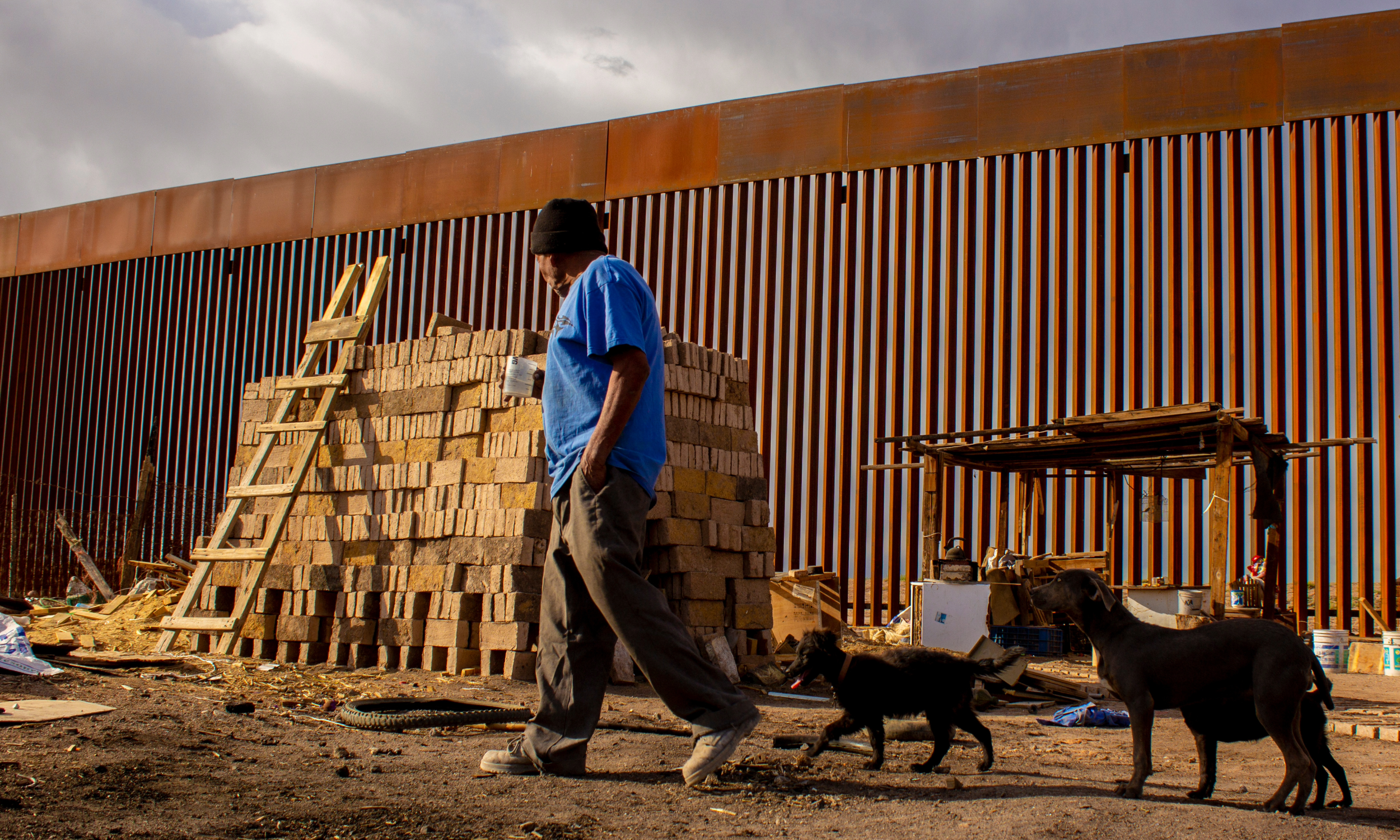
In writing her book El Paso: Five Families and One Hundred Years of Blood, Migration, Race, and Memory (Dutton, 2026), Ulloa explored parallels to today’s political climate. She chronicled American immigration officials in the early 20th century who forced Mexican migrants to undergo sanitizing baths at the border – and a 1950s mass-deportation operation by the U.S. government that took its name from a stereotype of border crossers.
SUBSCRIBE TO PALABRA’S NEWSLETTER
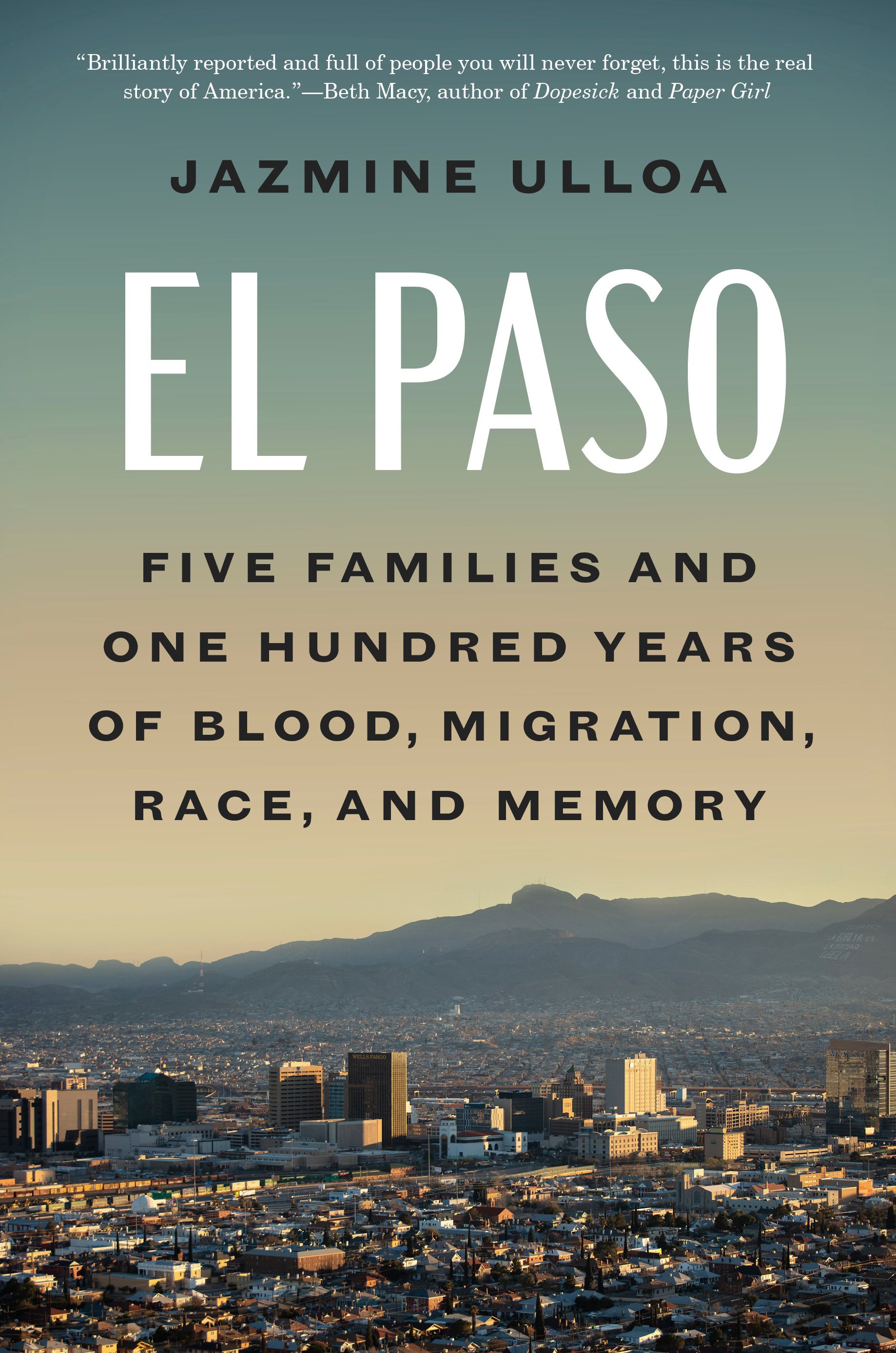
Cover of the book El Paso: Five Families and One Hundred Years of Blood, Migration, Race, and Memory. Courtesy of Dutton.
Throughout the narrative, Ulloa follows five families as they pursue their dreams on both sides of the border across different periods in history: The Chews, who came from China to Mexico, then immigrated to the U.S. during the Mexican Revolution. The Martinezes, Rubios and Holguins, all Mexican families who made their way to the U.S., sometimes after multiple tries, with the Holguins compelled to flee Ciudad Juarez due to rising violence from drug cartels.
And the Mura’l family of indigenous people from Guatemala, whose narrative focuses on activist Kaxh Mura’l as he seeks to escape persecution and build a better life in the U.S, only to be stranded in Mexico for an extended period.
“I know [El Paso’s] history is key to understanding contemporary battles with immigration and the deeper historical currents that helped shape the American Southwest,” Ulloa says. “I looked for families who were very emblematic of the migration experience. Through them, I tried to really tell a very Mexican history of the American Southwest.”
“I tried to capture an experience that is truly emblematic of the border – how diverse it has always been,” she adds. “For generations, this region has sustained a rich, binational culture and exchange of people and ideas. But it is also a place shaped by much broader transnational currents, which don’t just define the place where I am from and our borderlands, but help shape our nation, too.”
It’s an ambitious project with an additional, colorful cast of historical characters, many of whom the author researched through visiting archives or interviewing scholars on both sides of the border. There’s Mexican president Porfirio Diaz, who exercised near-total control of his country in the late 19th and early 20th centuries before his overthrow in the Mexican Revolution.
There’s Carmelita Torres, leader of a strike against the border baths in 1917, who subsequently vanished from history. And there are the pachucos, rebellious working-class Mexicans whose nickname may have come from the shoe companies where they toiled in El Paso – pa’ el shoe co.
The story also incorporates El Paso’s Mexican sister city of Ciudad Juarez, and the wider sweep of history that includes “The Taking” – the Spanish colonial seizure of El Paso from indigenous peoples – and “The Splitting,” when American officials, victorious in the Mexican War, created the border that currently exists between El Paso and Ciudad Juarez.
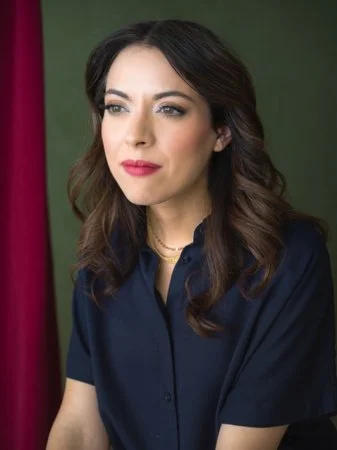
Jazmine Ulloa. Photo by Nina Subin
“For generations, this region has sustained a rich, binational culture and exchange of people and ideas. But it is also a place shaped by much broader transnational currents, which don’t just define the place where I am from and our borderlands, but help shape our nation, too.”
— Jazmine Ulloa, book author
Support the voices of independent journalists.
|
Ulloa writes about her own experiences growing up in El Paso. As a high-school journalist, she journeyed with her grandmother across the border to Ciudad Juarez, where she interviewed individuals who had lost family members to femicides in Mexico amid that country’s narcoviolence. She also details her parents’ backgrounds, including her father, a former student activist who had to change careers later in life due to pressures on the Mexican economy.
As the book turns to more recent decades, it incorporates the outsized impact of Trump on El Paso and the border. His first presidential campaign, in 2016, featured a promise that he would fight undocumented immigration by building a border wall and compelling Mexico to pay for it.
Trump and his supporters have criticized undocumented migrants, in language that some critics say is racist. In his first term as president, Trump’s measures against undocumented migrants included separating families at the border. His second term has been characterized by Immigration and Customs Enforcement (ICE) raids against undocumented migrants across the US, and by tightened border policies.
In writing about Trump-era policies that may seem unprecedented, Ulloa says, “I really tried to show this much longer arc of history – an immigration system, a detention and deportation apparatus, that was built by both Republican and Democratic administrations.”
“Donald Trump is just one symptom, one branch, of a much larger legacy in American politics, the way we shape immigration law and enforcement over the decades,” she reflects.
Ulloa highlights the role she and her fellow reporters played as “journalists on the front lines of the harshest immigration crackdown the country has seen,” which she describes as a period marked by raids, courthouse and workplace patrols, and the militarization of major cities. In her view, “the historical record shows the foundation of all of these events” unfolding, decade by decade, in El Paso.
—
Rich Tenorio is a writer and editor whose work has appeared in a variety of media outlets. He is a graduate of Harvard College and the Columbia University Graduate School of Journalism.Tenorio is also a cartoonist. @rbtenorio