
How Queer Latino Media Refuses to Disappear: Exclusive Access Behind the Cameras

LatiNation Media staff. Photo illustration Susana Sanchez-Young
It’s Pride Month, and palabra went inside the studio of LatiNation Media to bring you a deeply moving, behind-the-scenes look at “The Dolls Review”—the newest segment of “The Q Agenda.” Now in its 11th season, this groundbreaking queer Latino talk show has outlasted corporate retrenchments and culture wars.
Clic aquí para leer en español.
Words by Jimena Sandoval, @jimenasv387
The set smells like sweet perfume and something warmer, the particular warmth of a room where people have decided to take up space. Four trans women are arranged around a floral table, sipping tea, laughing loudly, moving with the ease of people who have learned, at considerable cost, that taking up space is its own form of courage.
The cameras aren't rolling yet. Producer, Writer, and Actor Andrew Tamarkin stands off-frame, watching the monitor with the focused calm of someone who has spent years building while the world keeps insisting he has no right to build toward.
This is The Dolls Review, the newest segment inside The Q Agenda, LatiNation Media's long-running queer Latino talk show, based in Los Angeles, California, now in its 11th season. Getting here took eleven years and a long string of closed doors.
SUBSCRIBE TO PALABRA’S NEWSLETTER
Producer and Creator Enrique Sapene walked into meeting after meeting and kept having the idea returned to him. World of Wonder passed. Telepictures passed. Everyone passed. “People were like, What? Who's going to buy this? Where's the space for this?” he recalls, his Venezuelan cadence landing each word with deliberate weight. “And I kept telling them: exactly. That is the problem. We don't have space. We don't have a place where to be ourselves.”
He landed at LATV. He tried a first version called Glitter Bomb, three gay Latino men, and built something that worked, until it revealed what it was missing. “Where are the lesbians? Where are the people of the trans experience?”
He went back to the drawing board. That is when The Q Agenda was born: Sapene, the Venezuelan immigrant; Juliana Joel, the trans woman who had already made history inside the Disney Channel; Victor Ramón, the Afro-Latino gay man fighting the idea that you could not be Black and Latino and gay all at once; Liana Carrera, the lesbian mother raising two children with her wife. A table where every seat held a different story. “I realized that I did not know anything. Walking in the shoes of my co-hosts was the greatest gift,” Sapene says.
CEO Andrés Palencia and co-founder Bruno Seros Ulloa greenlit what the industry said couldn't work. “It didn't feel like we were doing a queer show in a queer channel,” Palencia says. “It felt like we were doing really good content that brought a completely original perspective on culture.” The audience the industry said didn't exist turned out to be enormous.
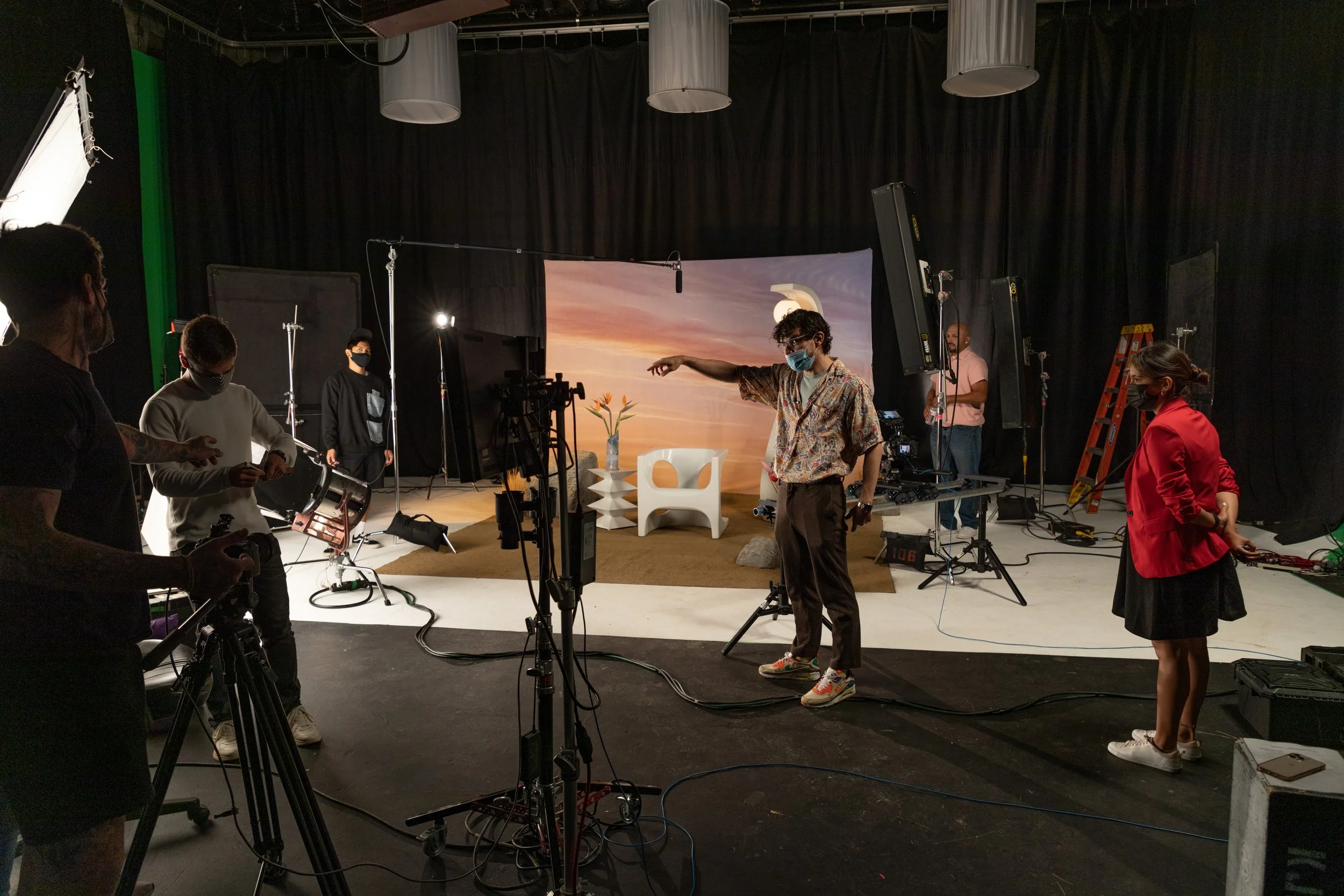
Andrés Palencia, CEO of LatiNation, during a production shoot. Palencia leads one of the nation's largest Latino-focused media companies, helping shape storytelling and representation across platforms. Photos: LatiNation Media.
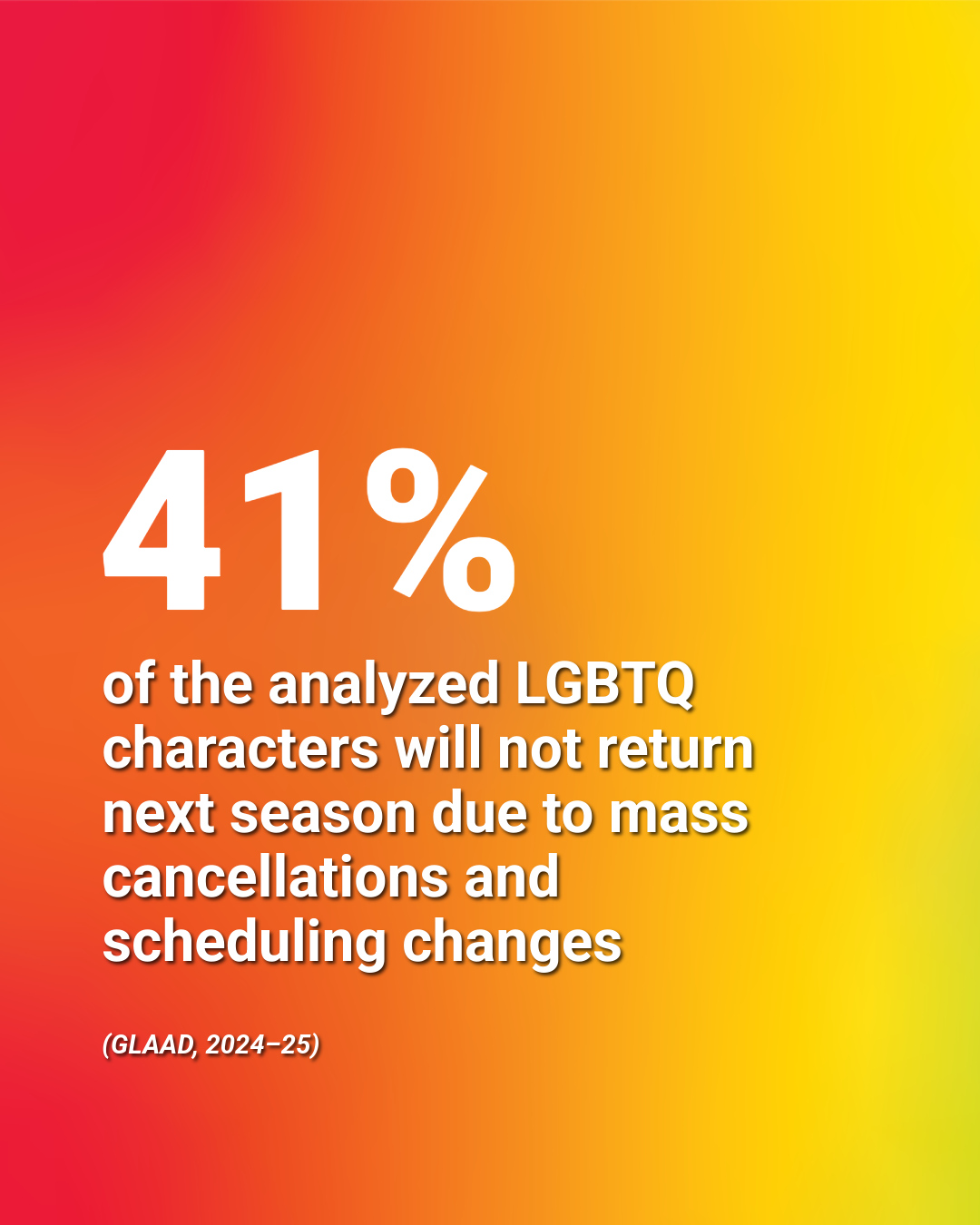
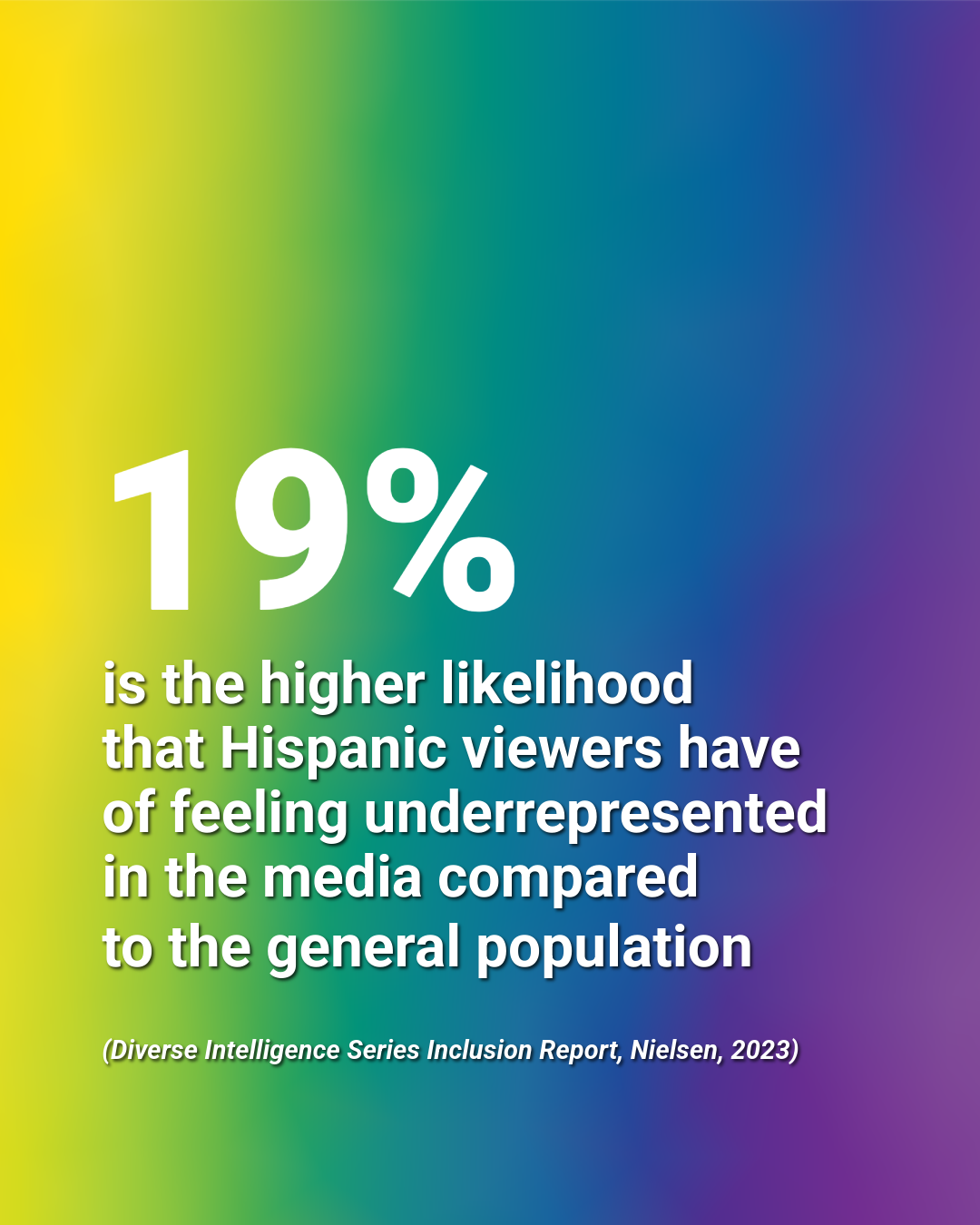
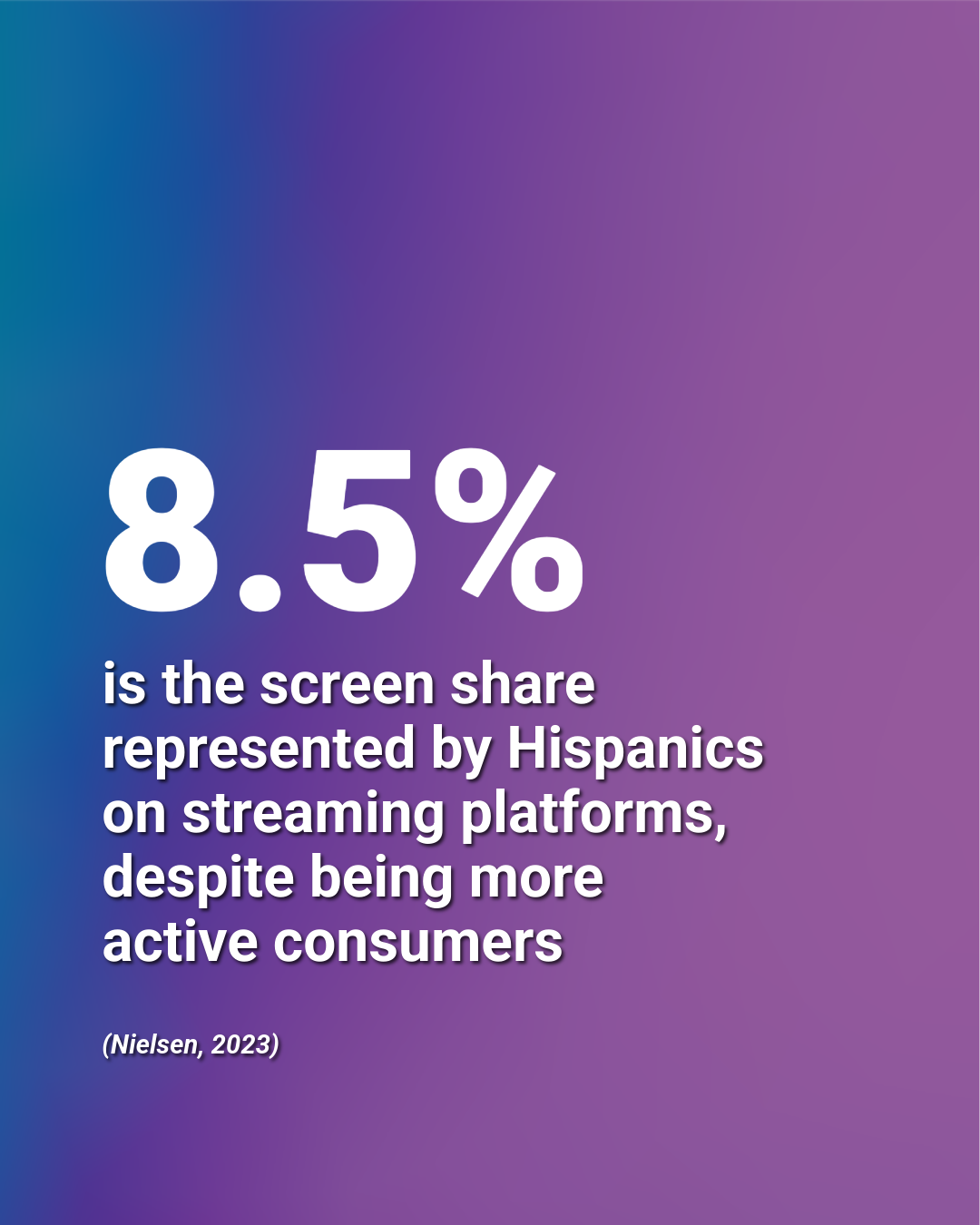
The ups and downs of the show and its creators
The show has been flipping it for eleven years, through corporate Pride retreats, culture war cycles, DEI rollbacks, a global pandemic, and two presidential administrations. It has won a GLAAD Media Awards and earned recognition for Latino Alternative Storytellers and ¿Tienes HIV, Mijo? A Mother's Journey, a documentary about a woman processing her son's HIV diagnosis with the kind of tenderness that makes you realize how rarely television trusts its audience with the truth.
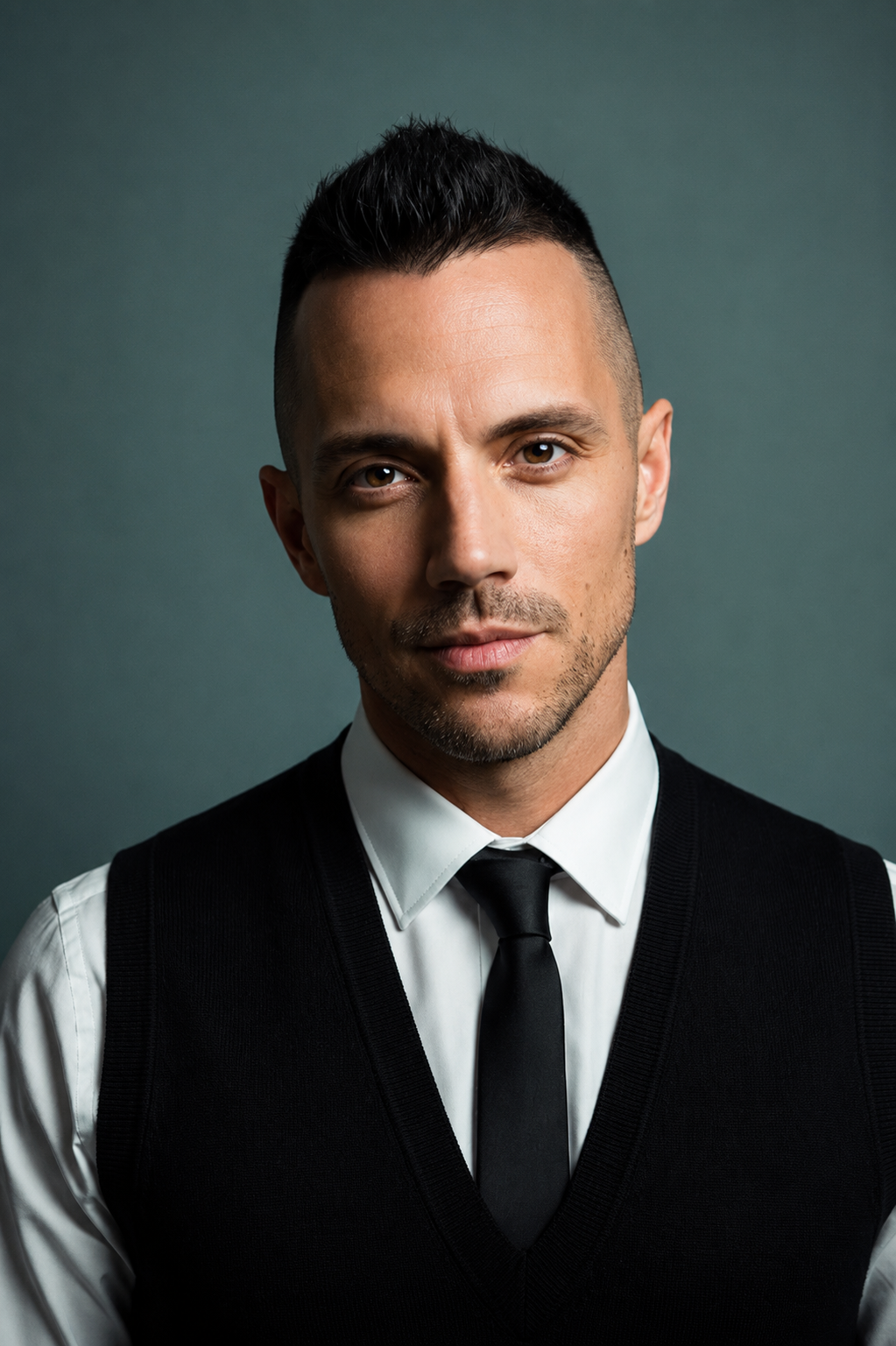
“Sometimes you have
to play the game
so you can stay alive.”
— Enrique Sapene, Creator & Producer
“As long as they need us,we will be here,” Sapene says.
That staying power required compromise. Early in the show's history, a major conservative sponsor once offered support on one condition: no drag queens, no boys showing skin. As soon as I see that, I'm out. Sapene accepted. He had to. “Sometimes you have to play that game so you can stay alive. But we always found creative ways to tell the story and get our message across.”
Sapene's first best friend in California died of AIDS. He watched a full generation of queer people disappear before the rights they spent their lives fighting for had fully arrived. “LGBTQ rights are so fragile. Because they're so new. We have to remind people about our heroes. About the people who paved the way, Marsha P. Johnson, Sylvia Rivera. That's how they get to live forever.”
He pauses. “I remember before we could get married. When we could get married. When they took it away. When we could get married again. It could go back to the states any minute. We could be back to zero.”
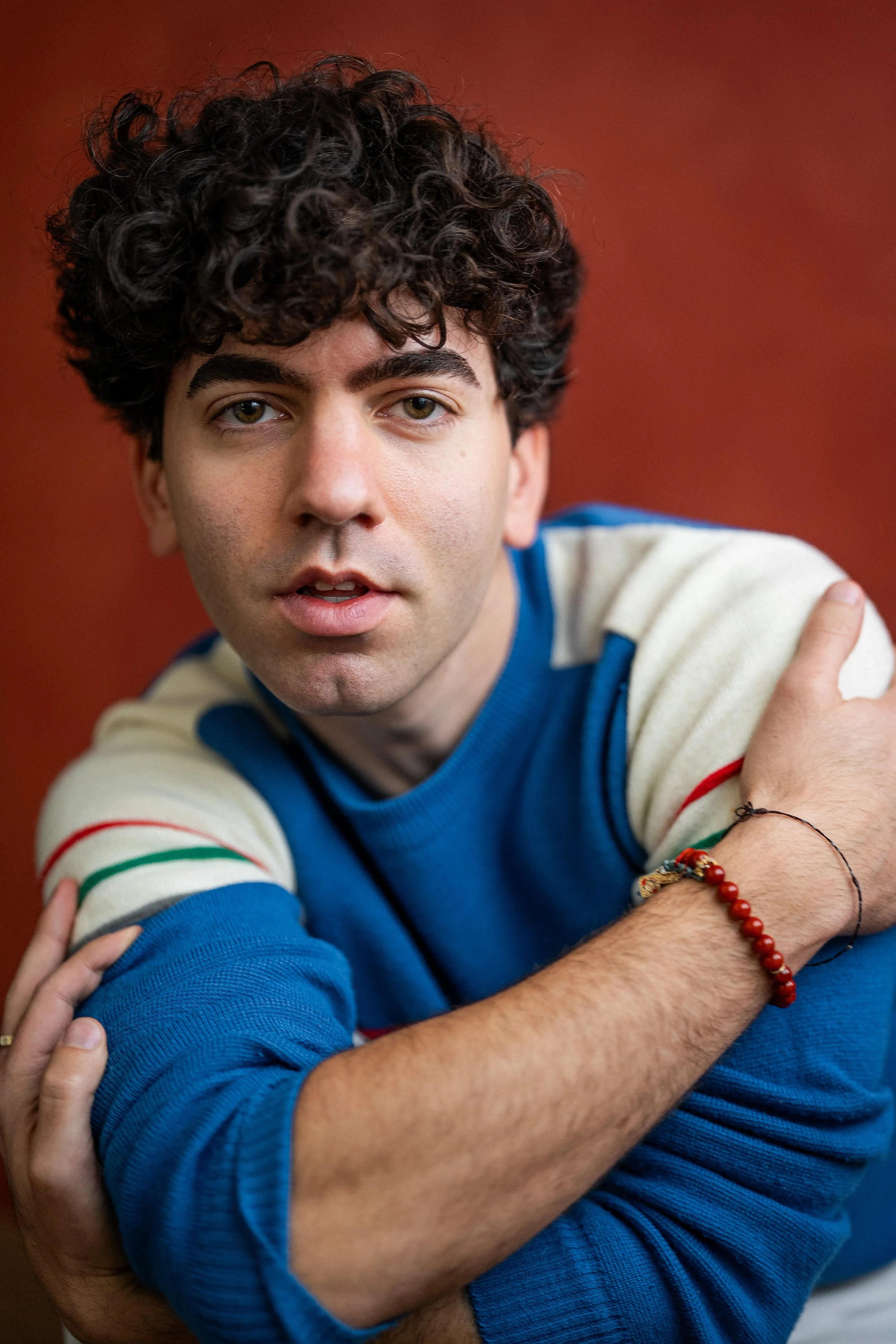
“Trans people still blow out their hair, put on their makeup, and go conquer the day. That’s not denial. That’s power. That’s heroism.”
— Andrew Tamarkin, Producer, Writer & Actor
Support the voices of independent journalists.
|
When Tamarkin joined in season nine and pushed for more drag queens, more edge, Sapene walked him back through a room Tamarkin had never been in. “He didn't get to experience what we did,” Sapene says quietly. That sentence cracks open the generational fault line at the center of the show. Sapene absorbed constraints that Tamarkin never had to carry.
Tamarkin is now pushing at limits set in rooms he wasn't in. Both of them are right. The work of the movement passes like a relay baton, each runner leaving the track further along, sometimes without knowing how much ground the last one bled to gain.
“That grace through every hardship, that's what I see in the queer community. That's what I see in the Latino community. Trans people still blow out their hair, put on their makeup, and go conquer the day. That's not denial. That's power. That's heroism.”
Tamarkin arrives at this through a specific inheritance. His grandmother was born on a train, her mother in labor, fleeing the Nazi invasion of Ukraine. The family lived in a refugee camp in Uzbekistan. When they returned, their house was gone. His father slept on the floor beneath a sewing machine while she worked. “And no matter what, she always made sure her house was beautiful. We sweep the kitchen. We put fruit on the table. We welcome people over.”
His editorial directive flows from the same place: “My mission has always been to normalize the queer community. Not to explain it. Not to defend it. To normalize it.” A beat. “It's enough. I swear, a lot of the time, it's enough.’
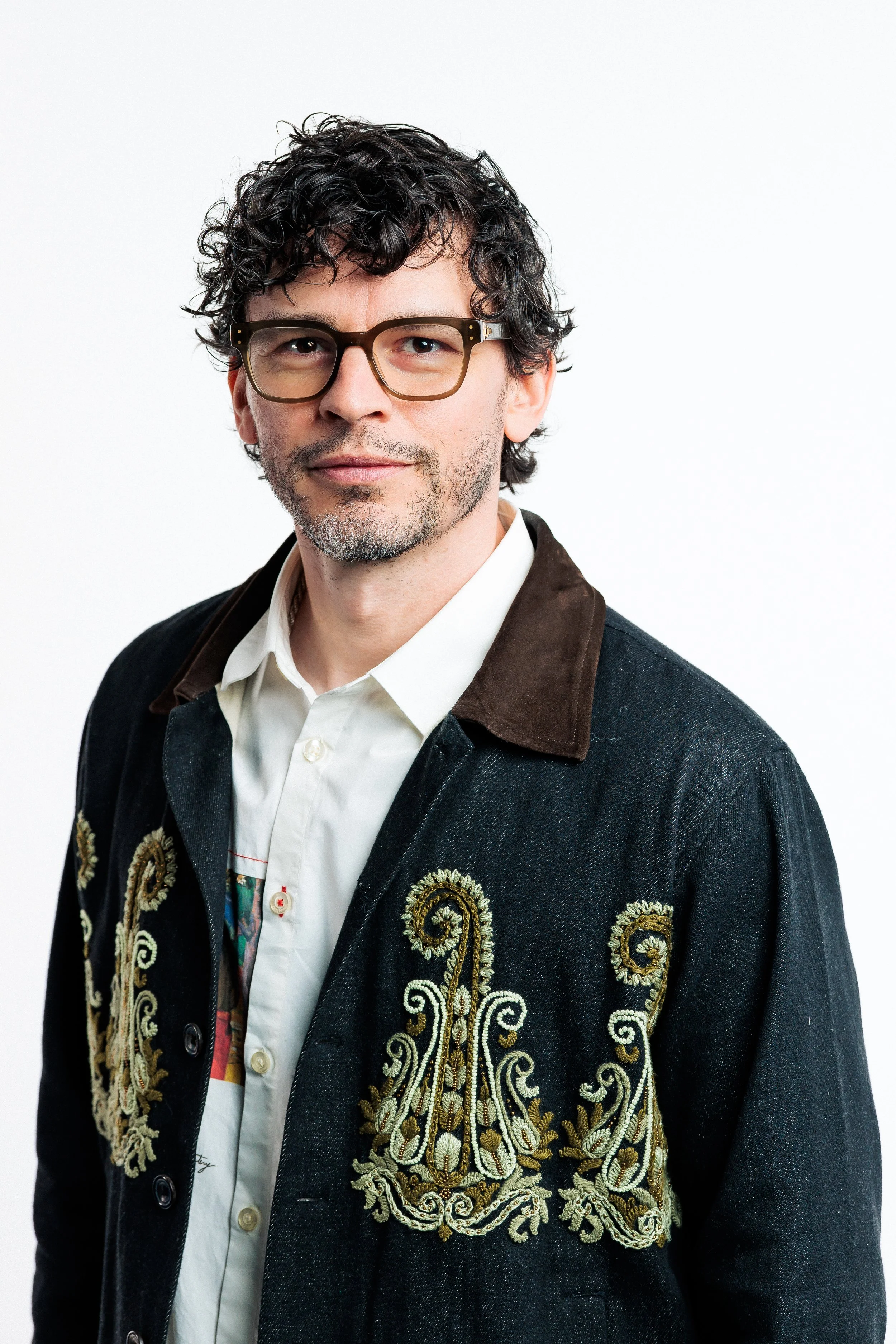
“Why are you
scared
of the
population
with some
of the highest suicide rates?”
— Andrés Palencia, CEO LatiNation Media
Palencia sees independence as a moral condition, not just a business one. “We are very lucky. They will always prioritize the content and let the advertisers follow. That's the beautiful thing about being an independent company. We are pushing the culture forward. Ideally, people will catch on.”
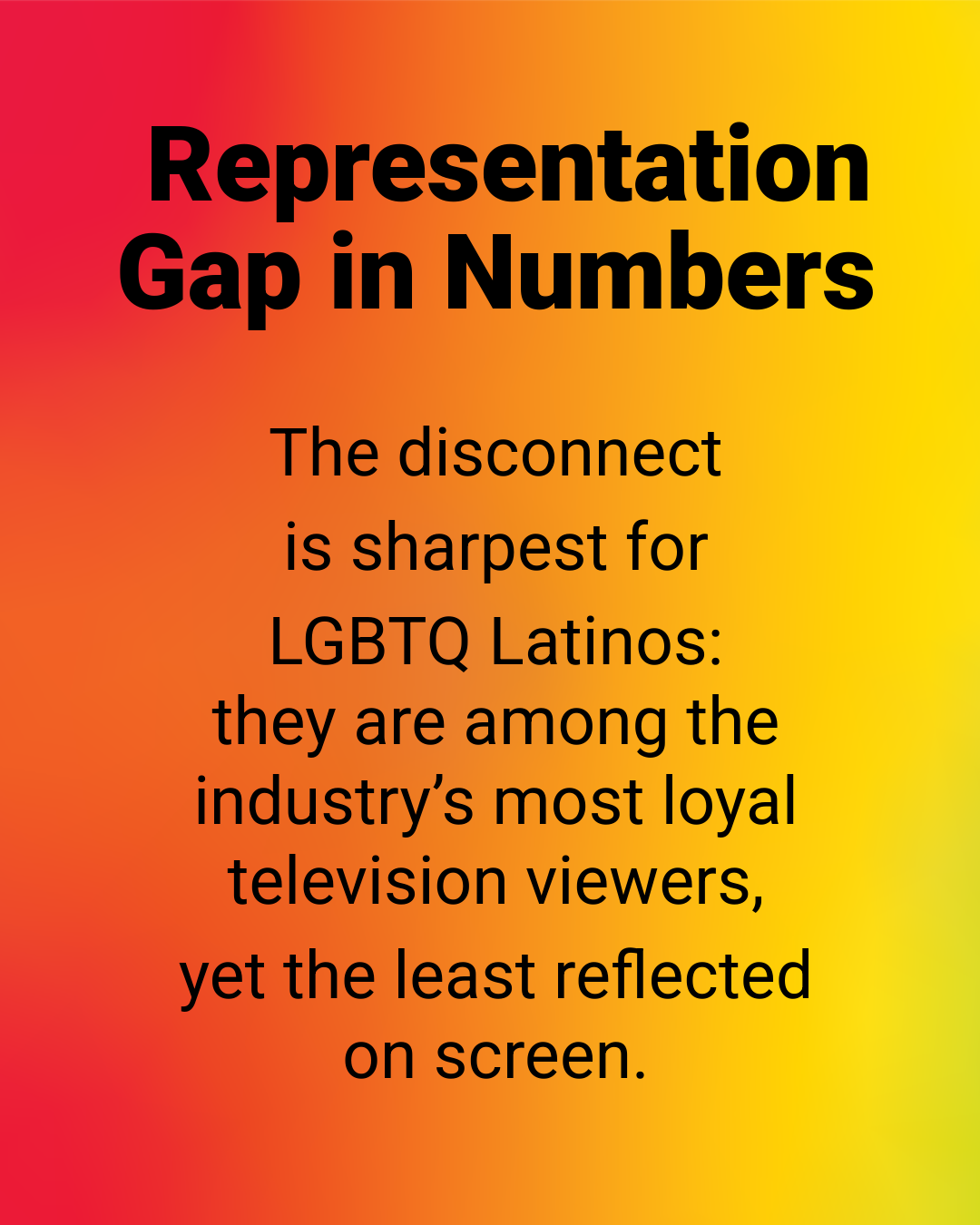
It is precisely this autonomy that allows the media outlet to challenge society's hostile narratives. “The trans community gets vilified for the convenience of scaring people who are unfamiliar. But the true reality is, why are you scared of the population with some of the highest suicide* rates? Where is all this power they allegedly leverage? They have the least resources. They take the most dangerous paths for survival. That's the disconnect we're here to flip the script on.”
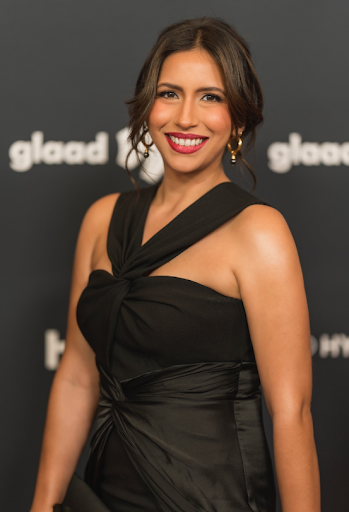
“Our best form of protest
is to exist. Unapologetically. That is enough”.
— Aura Quiroz, Head of Production & Executive Producer of The Q Agenda
“The responsibility I have now, is to give back the safety they gave me growing up,"says Aura Quiroz, head of production of LatiNation Media and executive producer of The Q Agenda.
She is talking about the women in her building in Maracaibo, Venezuela, trans sex workers who watched over her as a child, called out compliments when she passed, and kept her safe in a country that offered no official guarantee of that safety.
She was a girl from a conservative background in a city where those women existed at the edge of everything, celebrated in private, invisible in public.
“I grew up with them. I felt safe around them. And I was never able to say thank you. Never able to even talk to them or get to know them.” Years later, in Los Angeles, she found that language, producing a show that gave the community a mirror that didn't distort.
About the YouTube trolls, she is cheerful. “I thought they were funny. More content we're putting out there, honey. We don't care. Until you get tired of commenting, we'll keep putting more content,” she says laughing. Then, more firmly: “Our biggest protest, our best form of protest, is to exist. Unapologetically. That is enough.”
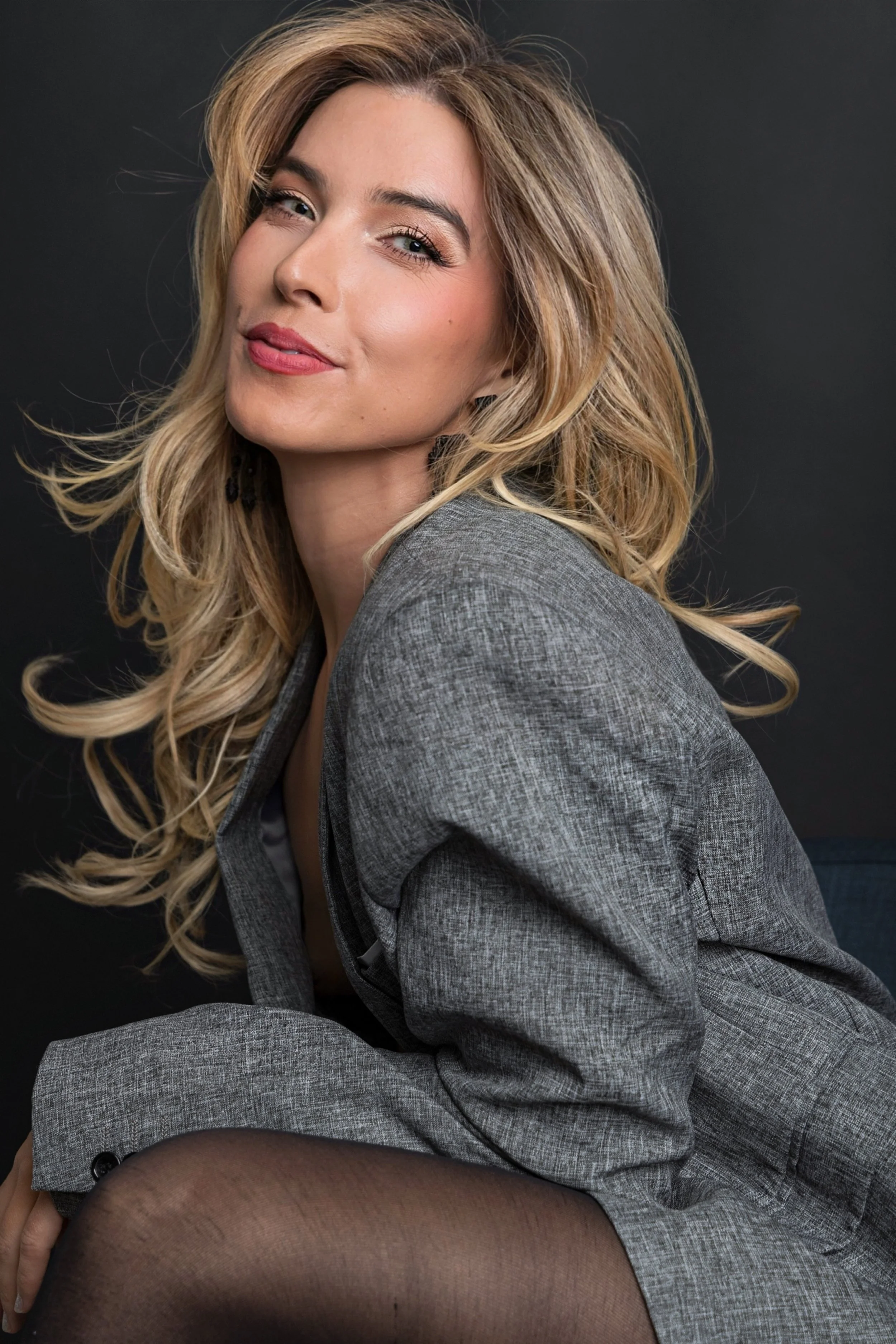
“For a long time, we’ve had many people speaking about us
without really having the experience of
being transgender.
— Carolina Gutierrez, Actress & Host, The Dolls Review
Carolina Gutierrez's mother is her hero, a single mother who raised three children and taught her daughter to be strong, to lead, to not let any man or institution define her.
When Gutierrez began appearing on television as a trans woman, her mother called, frightened. She worried about Carolina's safety for the exposure. But now her mother has overcome the fear and feels pride, Gutiérrez says.
She arrived at The Dolls Review as a guest stand-in. They kept calling her back. Now she is a cornerstone, sitting at that floral table not as a token, or spectacle, but as an authority built in the school of having been dismissed long enough that you stop waiting for permission to speak.
“For too long, conversations about trans women always ended up being sensational. That's not just because we're trans women. It's because we're women, period. Women have always been reduced to the aesthetic instead of the psychological, the professional, the full human person. We are dismantling that. Every episode.”
She calls herself a super feminist. She wants you to quote her on that. When she speaks to the young trans Latina watching a screen the way someone watches a door, waiting for a sign that survival is possible, her voice carries the full weight of someone who was once that girl.
“Your life is your life. Be yourself. Life is very short. It doesn't matter what your grandmother says, what God says, what the church says, what politicians say, what the government says. You have to live your life to the maximum. Period.”
“For a long time, we've had many people speaking about us without really having the experience of being transgender,” she says. “At the end, the ones who know the most are the ones living inside the community, going through these moments of insecurity. It's vital to give a platform to those voices and let them speak for themselves.”
WHAT THEY WANT FOR THE FUTURE
Palencia has been thinking about legacy long enough that he has arrived at something unusual: He wants to be replicated until he's unrecognizable. “My ultimate dream would be to almost be forgotten in a sea of media companies, just people authentically representing themselves as Latinos, as queer Latine people, as Latinas, as Afro-Latine.”
He wants LatiNation to become a blueprint so thoroughly adopted that the original architect disappears into the wave. “I want to make an impact not to be recognized as a pioneer. I want to be an afterthought of the next big wave of everything that so many institutions have leveraged every ounce of their power to stop.”
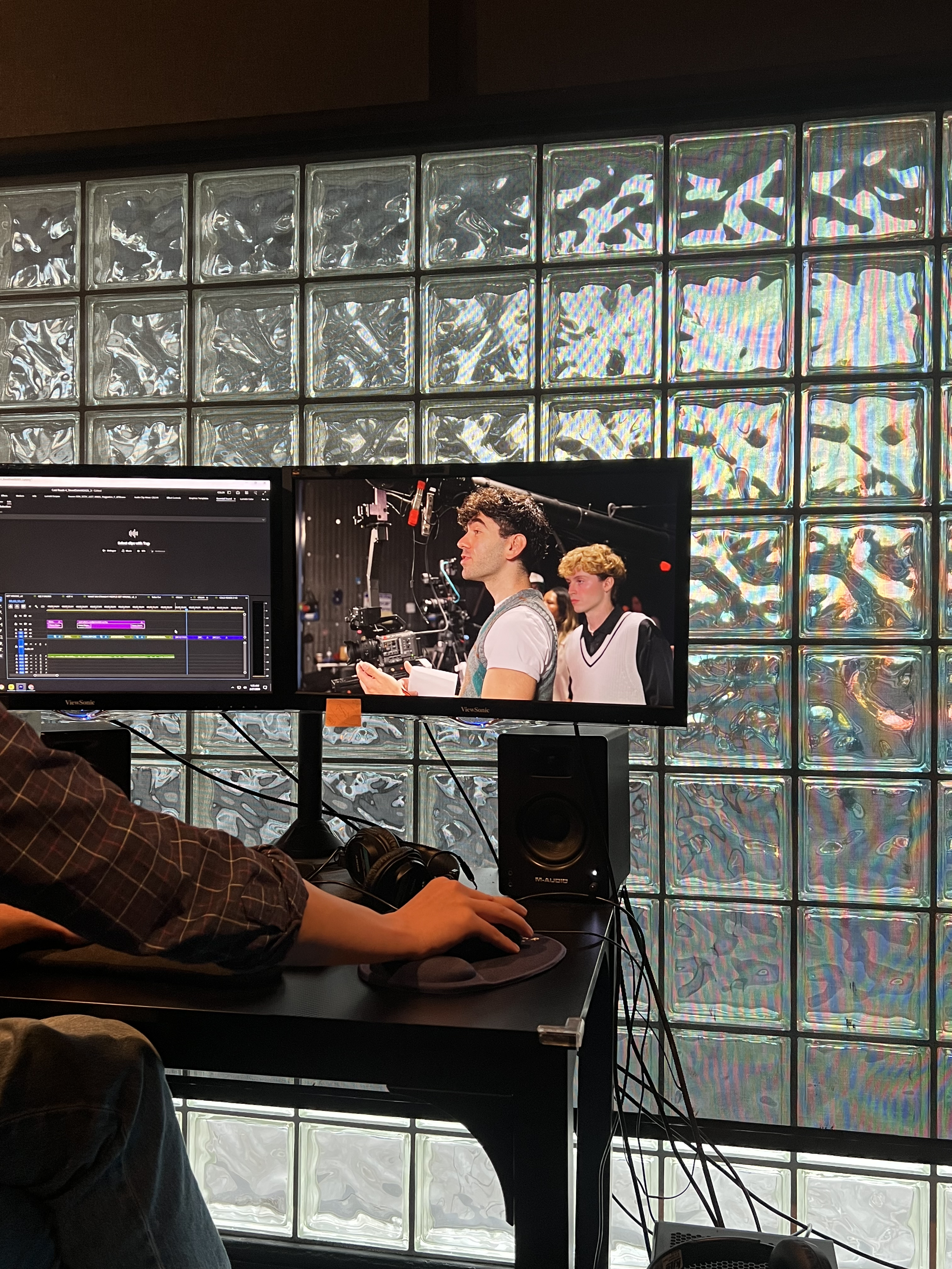
Production footage featuring Andrew Tamarkin is displayed on a monitor during the post-production process.
Near the end of our last conversation, Tamarkin says the thing that explains, perhaps, the entire eleven years: “Heroes run headfirst into battle. And pick up people along the way. There are a lot of heroes that don't get their moment in the spotlight. I want to give it to them.”
The sound of “Action” resumes the shooting.
Outside, the war on their existence grinds forward, in courtrooms and statehouses, in executive orders and funding cuts, in proposals to put a warning label on their stories before those stories reach anyone. Inside this studio, four trans women are laughing across a floral table, loud and unhurried, taking up space in a country that would prefer they didn't.
They are not waiting for permission. They already know it was never coming. And somewhere, on a screen in the dark, a girl who doesn't yet have a word for what she is is watching. Waiting for the door to open.
She is not alone. She just doesn't know it yet.
—
*If you’re part of the 2SLGBTQIA+ and need to speak with someone click the following link for services 24/7 Suicide Hotline for LGBTQ Youth - We’re here for you Now or call 1(866) 488-7386 (Direct Hotline).

Jimena Sandoval is a social communicator who studied at the Universidad Centroamericana José Simeón Cañas (UCA) in El Salvador. She is an entrepreneur and communicator known for her leadership in promoting equity and visibility for the 2SLGBTQIA+ community. As the founder of Noisy Digital, the first trans-led marketing agency, Jimena focuses on empowering marginalized communities, particularly the TGI (transgender, gender expansive, and intersex) population. She has been involved in significant initiatives alongside organizations like The TransLatin@ Coalition and Bienestar Human Services. With a strong background in PR and marketing, Jimena works to amplify the voices and stories of the LGBTQIA+ community, creating impactful change and opportunities. @jimenasv387