
The Hard Way Home
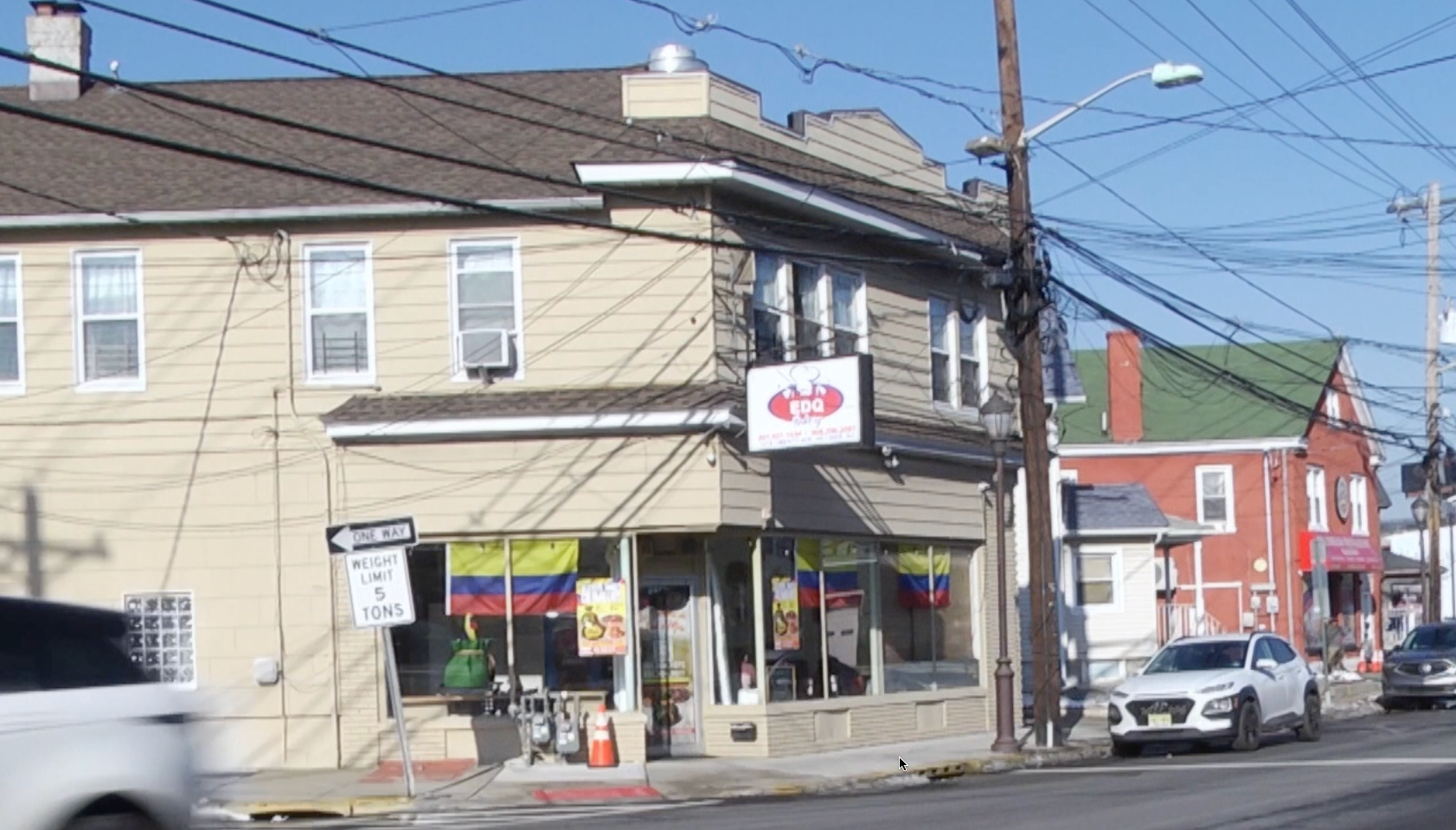
The restaurant Ana’s Tamales, owned by Ana Melba and her husband, Jairo Antonio Acosta, in New Jersey.
A New Jersey restaurant owner’s detention by ICE shut down his family’s business and upended their lives, thus ending their American dream

Editor’s note: This story was co-published by Puente News Collaborative, a bilingual nonprofit newsroom and funder dedicated to high-quality, fact-based news and information from the U.S.-Mexico border and in partnership with palabra.
Clic aquí para leer en español
Words, photos, and video by Jorge Melchor, @jorgemartin71
Edited by Patricia Guadalupe
For five years, Ana Melba and her husband, Jairo Antonio Acosta, blended hope and determination into the masa they wrapped with green banana leaves and steamed into tamales they sold in suburban Elizabeth, New Jersey.
Every morning was infused by the scent of spices and cooked corn. Workdays were framed by long hours of tamale prep and distribution to a string of faithful customers.
Though modest, the Acostas’ version of the American Dream – a small, neighborhood business called Ana’s Tamales – had been better than the poverty and crime the couple escaped in their native Colombia.
But that all changed after Acosta’s chance encounter with United States Immigration and Customs Enforcement (ICE) officers last winter – a road stop that led him into immigration detention and deportation. The two did not violate any U.S. criminal laws, apart from overstaying their tourist visas, yet Jairo’s detention set Ana Melba scrambling to wire home the family’s savings. It was time to go home, she said.
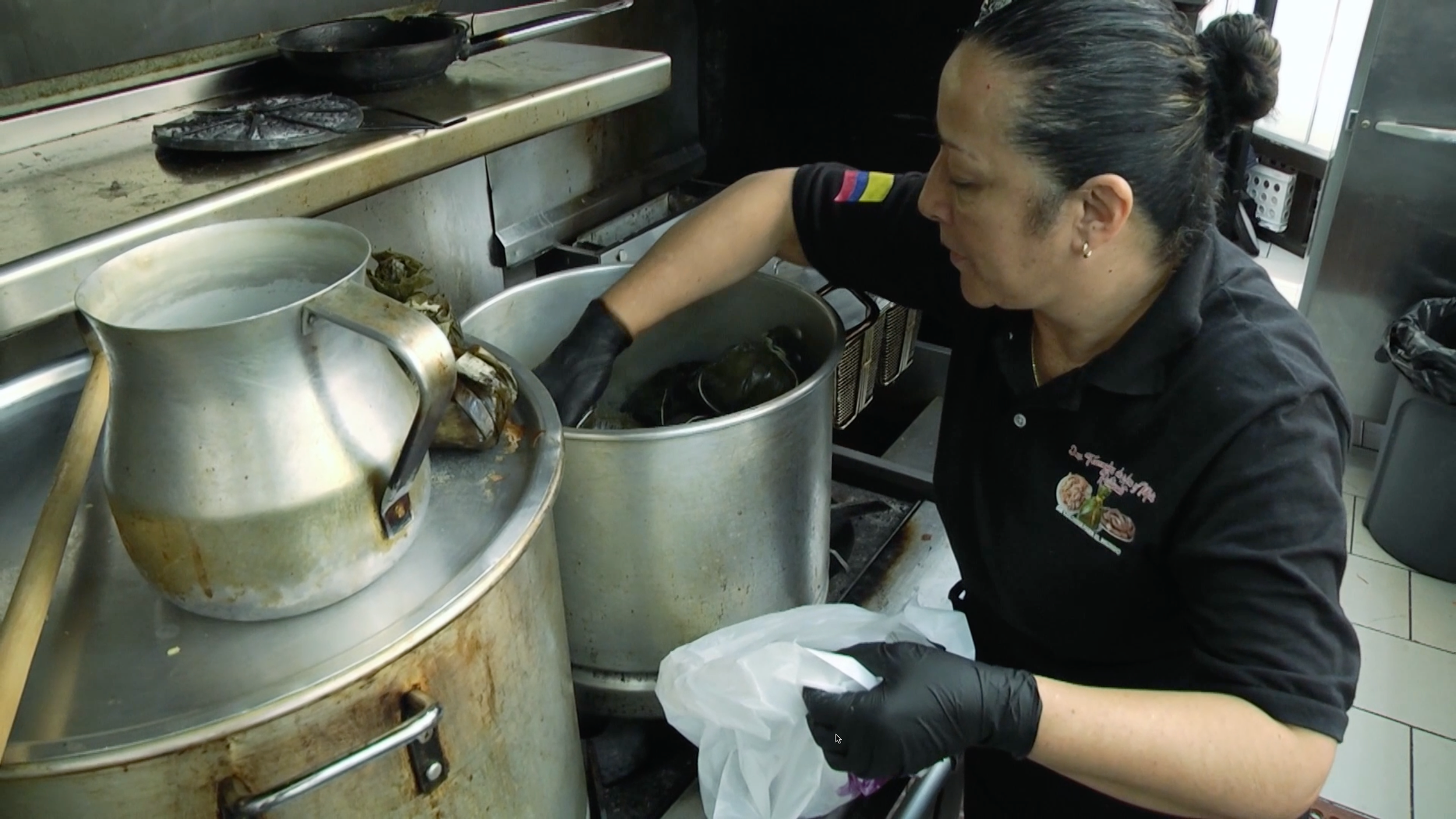
Prepping tamales for delivery.
Fear drives money transfers
Jairo is just a number in the surge of deportations rolling across the U.S. But what marks his family’s story is the decision to wire their money home quickly, fearing they’d lose access to their U.S. bank accounts.
“The threat of deportation is felt as very real,” said Ariel Ruiz, senior policy analyst with the Migration Policy Institute, “Immigrants, as a group, make rational decisions.”
Ruiz noted changes in remittance flows in the spring and summer of 2025, when ICE’s deportation sweeps first ramped up, and images of deportation raids and unrest in Los Angeles filled television screens. There was also talk, for a while, about new taxes on money wired to Latin America. All this prompted Colombians in the U.S. to send home $13.1 billion last year, or 14% more than in 2024.
Guatemalans in the U.S. transferred $25.5 billion in 2025, some 20% more than in 2024. Guatemala is Latin America’s most remittance-dependent country, with migrant money accounting for 20% of the economy.
Across Latin America, remittances from the U.S. grew some 7% in 2025, to around $174 billion, according to the Spanish bank, BBVA.
Migrants who fear deportation must plan, financial experts say. For those with major assets, such as a business, investments, or real estate, experts recommended that they formally assign “power of attorney” to a relative or a professional adviser.
Projections for 2026 reflect a new reality for Latin American immigration: while there are far fewer new migrants coming to the U.S., and tens of thousands deported, remittances are still expected to grow as migrants are compelled to send home more of their paychecks, according to the Inter-American Dialogue, a Washington, D.C. think tank.
Deported migrants do not automatically lose their assets. Cars and bank accounts can remain in their names. But a deportation prompted by a felony can lead to asset forfeiture. And families whose main income earners are deported risk losing property as loans fall behind or go unpaid.
Migrants who fear deportation must plan, financial experts say. For those with major assets, such as a business, investments, or real estate, experts recommended that they formally assign “power of attorney” to a relative or a professional adviser.
Migrants “respond to changes in reality,” Ruiz added.
That’s true for Ana Melba, who said the family didn’t want to risk losing cash assets after having lost the car and the restaurant.
"The little we manage to earn to cover our debts, we send to Colombia," she said. "(I know) We can’t take anything with us. You leave behind the television, the things you bought. You arrive (back home) with nothing and have to start from scratch."
SUBSCRIBE TO PALABRA’S NEWSLETTER
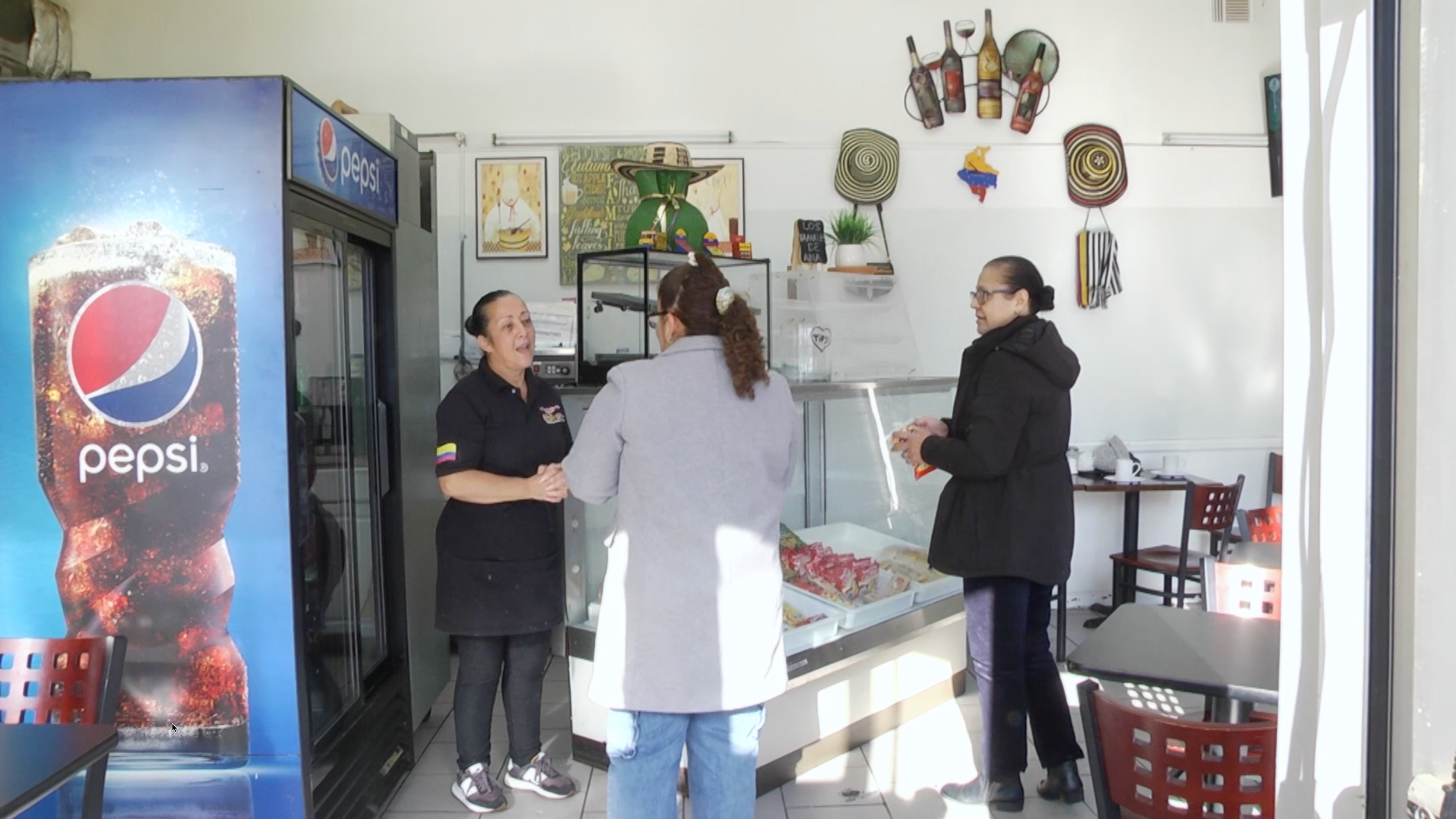
Ana Melba greeting customers at her restaurant in New Jersey.
The ICE roadblock
In Elizabeth, Acosta believed the family was finally secure after some time without steady employment. They had turned to the foods they knew back home in Colombia and found a growing market in their New Jersey community for Ana Melba’s tamales.
In the cold morning hours of December 13, 2025, as he drove home after a delivery to customers at the Colombian consulate in Elizabeth, he came upon an ICE roadblock.
After a time in a New Jersey ICE detention facility, Acosta was moved to Louisiana and given a choice: Sign a voluntary deportation order or appeal his apprehension and remain in ICE custody indefinitely. Knowing he had overstayed his visa, he chose to return to Colombia. He said he wanted to spare Ana Melba seeing him wallow in detention, unable to afford a lawyer while enduring unpredictable transfers to detention centers across the country. He remains in Louisiana, awaiting a deportation flight to Colombia.
Acosta’s apprehension touched off a local social media hunt after Ana Melba appealed for help finding Acosta’s car, the family’s only means of transportation (ICE had left it on the side of a street, unlocked).
But there was a problem: The car was in Acosta’s name and, alone, she couldn’t afford the monthly payment. She has also had to scramble to care for her children. She appealed to neighbors and friends to buy tamales from her, as she gathered money for the eventual trip back home.
“We have to go back,” Ana Melba said, pushing back tears at the thought of giving up. “(ICE) touched a deeper chord – my husband. This is now a borrowed country, so we have nothing left to do.
“We’ll only take our clothes,” she said. “We have to start from scratch in Colombia, but it's our country.”
Despite the prospect of returning to where Acosta had been shot four times by an assailant who’s never been caught, Ana Melba said she hopes Colombia is big enough for the familiy to find a new, quiet life. “We can be at peace without any persecution (like here), without being caught, handcuffed, or imprisoned without having done anything wrong. That's the saddest part.”
—
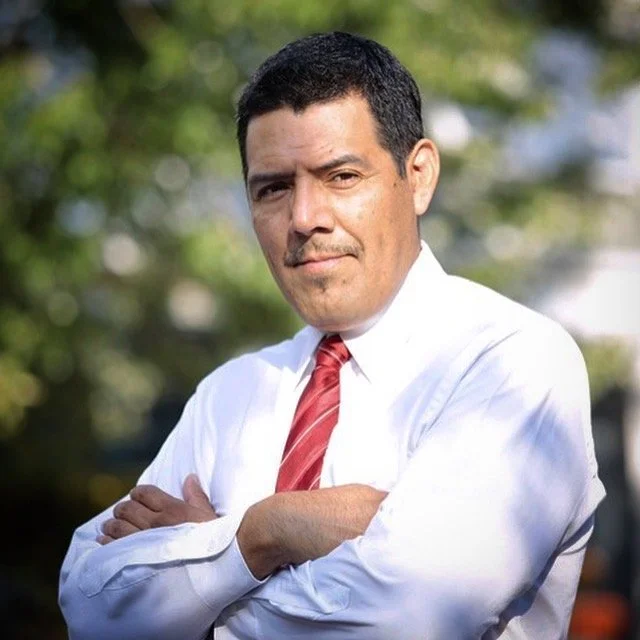
Jorge Melchor is a bilingual television and multimedia visual producer. Through more than two decades, he’s worked with The New York Times, The Financial Times, NBC News in Mexico City, Inside Edition, and The History Channel. He has also mentored the next generation of journalists as a multimedia lecturer at Arizona State University and the Arizona community college system.

Patricia Guadalupe, raised in Puerto Rico, is a bilingual multimedia journalist based in Washington, D.C., and is the co-managing editor of palabra. She has been covering the capital for both English- and Spanish-language media outlets since the mid-1990s and previously worked as a reporter in New York City. She’s been an editor at Hispanic Link News Service, a reporter at WTOP Radio (CBS Washington affiliate), a contributing reporter for CBS Radio network, and has written for NBC News.com and Latino Magazine, among others. She is a graduate of Michigan State University and has a Master’s degree from the Graduate School of Political Management at George Washington University. She is the former president of the Washington, D.C., chapter of NAHJ and is an adjunct professor at American University in the nation’s capital and the Washington semester program of Florida International University. @PatriciagDC